
(Image Credit – Wikimedia Commons)
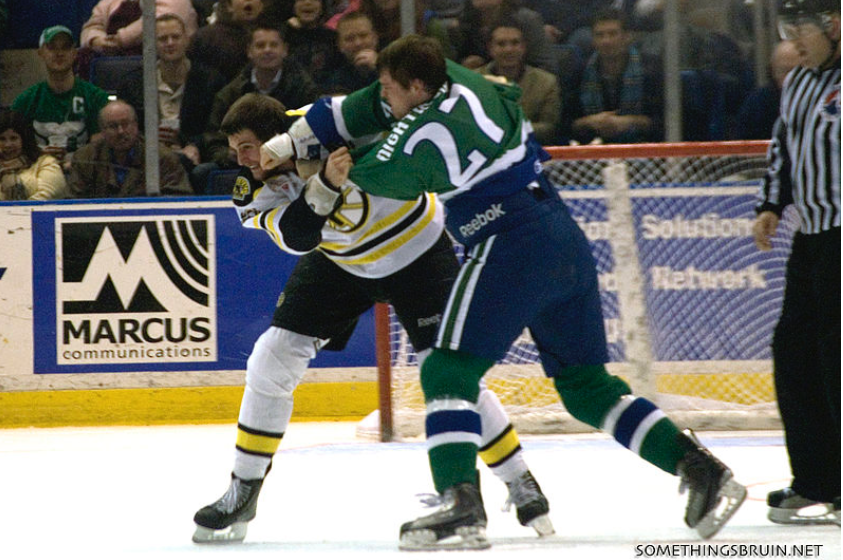
Concussions are one of the most closely watched injuries in sports. As a mild traumatic brain injury, concussions occur when a blow or sudden movement causes the brain to move rapidly inside the skull. In the National Hockey League, these injuries typically happen during routine gameplay such as body checks, collisions with the boards, or accidental contact between players. Fighting historically received attention in safety debates, yet research and league reviews show that most head injuries in hockey occur during normal play.
The growing priority placed on NHL concussion prevention reflects broader concerns regarding long-term athlete health. Over the past two decades, increased medical research, new player safety rules, and stricter league oversight have reshaped how the sport handles head injuries. The league has introduced a formal concussion protocol, expanded monitoring during games, and strengthened enforcement through the NHL Department of Player Safety. Each of these changes have been carefully engineered to protect athletes while preserving the fast and physical nature of professional hockey.
Understanding Concussions and CTE in the NHL
A concussion disrupts normal brain function, producing symptoms such as headaches, confusion, dizziness, or blurred vision. Medical staff monitor these signs closely since early recognition helps prevent further injury. In professional hockey, head injuries are evaluated quickly using standardized medical procedures, and players suspected of having a concussion must be removed from play for comprehensive evaluation.
Researchers studying hockey concussions have also examined their possible connection to chronic traumatic encephalopathy, often referred to as CTE. CTE is a degenerative brain condition associated with repeated head trauma over time. Although the sports world is still learning more about the condition, the conversation around CTE in hockey has influenced how the league and medical professionals approach player health.
The sports medicine community has published numerous studies examining hockey injuries, particularly those involving head trauma. These studies track the frequency of head injuries in hockey, how symptoms develop, and how athletes recover. Over time, this body of work has strengthened NHL player safety initiatives by improving medical evaluation, diagnosis, and return-to-play decisions.
The NHL Department of Player Safety
The NHL Department of Player Safety plays a central role when it comes to addressing dangerous hits and protecting athletes during gameplay. Founded in 2011, the department reviews every game and has the authority to issue suspensions or fines when players violate rules. Through this thorough process, the Department enforces player safety rules designed to prevent head injuries in hockey.
Officials in the department analyze the video footage of potential infractions and determine whether supplemental discipline is necessary. These decisions often involve evaluating the type of hit, whether a player targeted the head, and whether the action violated league standards. By applying consistent NHL discipline, the league reinforces expectations for safer gameplay and supports broader safety initiatives.
The NHL Department of Player Safety also works closely with the league’s medical staff and the NHL concussion protocol system. Together, these programs help spot concussions during games and reinforce accountability after unsafe plays.
CTE Concerns and the League’s Response
Public awareness of CTE has grown in tandem with the body of research exploring the long-term effects of repeated head trauma. Even though the science continues to evolve, several former NHL players have sadly been diagnosed with the condition after their deaths.
In 2013, more than 300 retired players filed a lawsuit alleging the league failed to warn them about the risks associated with concussion injuries and possible CTE. The case eventually resulted in a settlement that promised medical testing and financial support for affected players. While perceptions about the value of the settlement vary, it underscored the growing importance of NHL player safety programs and medical oversight.
The conversation surrounding CTE in hockey has also encouraged additional research into the causes and prevention of hockey concussions. Medical experts continue to study how repeated head trauma contributes to neurological conditions and how leagues can improve protection.
How the NHL Has Changed to Reduce Head Injuries
The NHL has implemented several safety measures aimed at reducing head injuries in hockey. The most visible system is the NHL concussion protocol, which outlines the steps teams must take when a player shows potential concussion symptoms.
Under the NHL concussion protocol, an independent Central League Spotter monitors games and identifies players who may have suffered a concussion. When symptoms appear, the player must leave the ice and undergo evaluation in a designated medical room. Team doctors then assess symptoms and determine whether the athlete can return to play.
Rule changes have also allowed for safer play. Hits that intentionally target the head violate player safety rules, with the NHL Department of Player Safety reviewing those plays and taking disciplinary action as appropriate.
Equipment improvements have also helped address hockey concussions. Today’s helmet technology uses advanced materials designed to absorb impact forces more effectively. Innovations aim to reduce the severity of hockey injuries, particularly those involving head contact.
Education programs have expanded, too. Organizations like USA Hockey teach players, parents, and coaches how to recognize symptoms of hockey concussions and respond appropriately. It’s imperative to foster awareness at every single level of the sport.
Ongoing Challenges in a Physical Game
Even with stronger protocols and promising scientific progress, hockey concussions remain a top concern in such a fast and physical sport. Collisions between players can happen in the blink of an eye, with many head injuries in hockey occurring during typical play rather than deliberate fouls.
The league continues to update its concussion protocol, review all applicable rules, and invest in NHL player safety programs. New research on hockey injuries will likely influence future policy decisions as scientists uncover more of the long-term effects.
Protecting athletes while maintaining competition is a central challenge for the league (and the sport as a whole). The continued evolution of safety programs reflects the NHL’s dedication to addressing concussion risks without changing the core identity of the game.
Equipment Designed for Today’s Game
Protective gear plays a highly important role in preventing hockey injuries and supporting the latest safety standards. Gear such as hockey helmets, elbow pads, shin guards, and shoulder pads help players absorb impact during gameplay. Goaltenders, on the other hand, rely on specialized protection like goalie masks.
Offensive gear also evolves alongside safety improvements; many athletes choose advanced hockey sticks or pro-level NHL player sticks made for high-performance play. All players should browse the most trusted hockey brands when picking out equipment for today’s fast-paced game.