
Best Off-Ice Workouts for Hockey Players to Boost Performance
09 12 2025
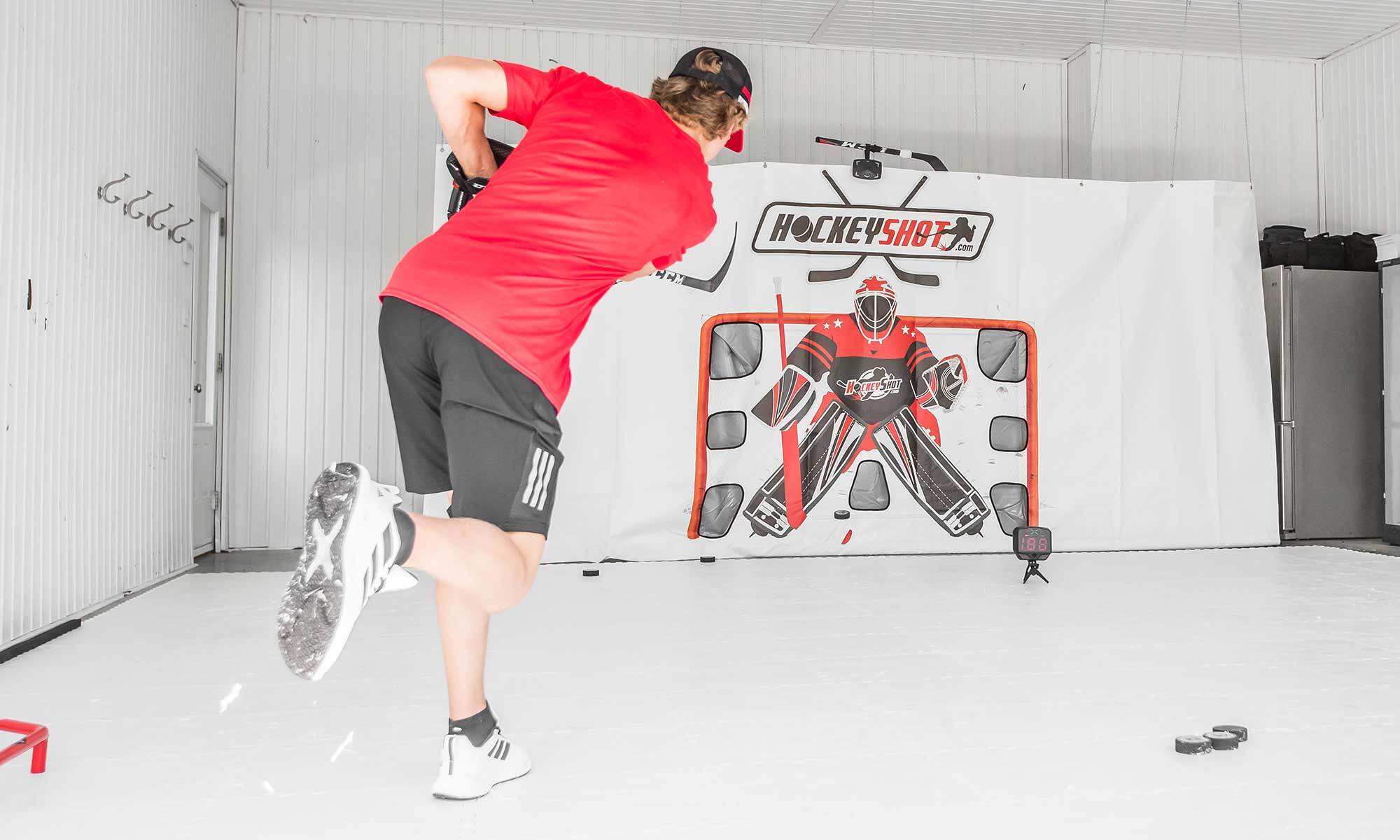
As off-ice training is a vital part of player development, we’ve put together this guide to break down the most effective off-ice hockey workouts, covering strength, speed, agility, balance, endurance, and seasonal strategies. With the right approach, players at any level can train smarter, prevent injuries, and build the skills needed to dominate every shift.
Why Off-Ice Training Matters
To excel on the ice, players must exercise off the ice. While skating drills and stickhandling get a lot of attention, off-ice hockey workouts are just as crucial. Whether you're a pro athlete or youth player, off-ice training builds the physical base that supports game-day execution.
These workouts help improve cardiovascular endurance, muscle strength, agility, and balance — all integral to a sport that demands full-body performance. Moreover, they keep players in peak condition when rink access is limited and help reduce injury risk by targeting stabilizing muscle groups.
Dryland exercises for hockey simulate on-ice movement patterns using bodyweight or resistance-based drills. This kind of hockey conditioning improves speed and coordination while reducing wear and tear.
1. Strength and Power Workouts
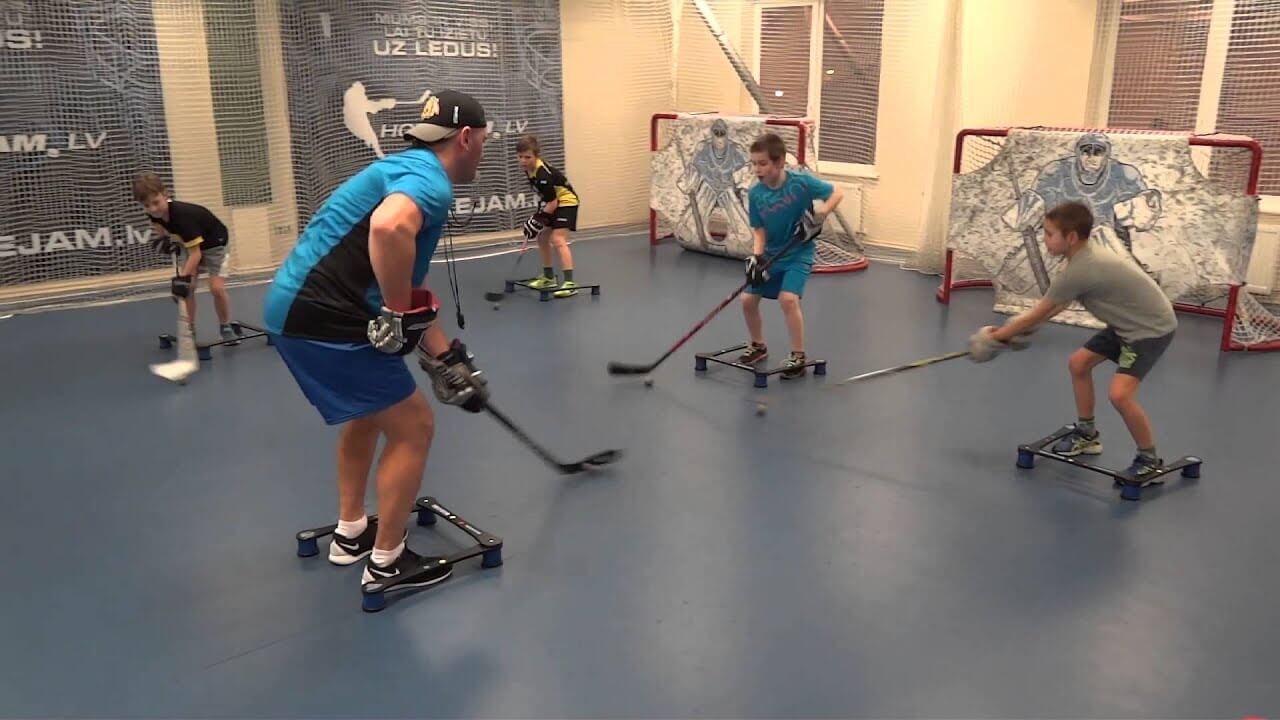 Strength forms the backbone of elite hockey performance. Explosive speed, stable edges, and effective puck battles all start with power generated by the lower body and core. A well-designed hockey training plan should include two to four strength-focused sessions per week.
Key compound lifts — squats, deadlifts, lunges — target the glutes, hamstrings, and quads. These leg workouts for hockey support force production for skating strides and body checks. Adding core movements like planks, Russian twists, and side bridges enhances rotational control and shot velocity through improved core strength.
Players should also include plyometrics: box jumps, broad jumps, and split squat jumps. These moves train the neuromuscular system for explosive reactions and power transfer. Combining plyometrics with resistance work boosts maximal force output — a major benefit during battles along the boards.
For youth and home-based athletes, start with bodyweight versions and progress with resistance bands or light kettlebells. Tools like skate laces for resistance training can also help add challenge without expensive equipment.
2. Speed and Agility Drills
Quick transitions, tight turns, and sprints to the puck all rely on elite agility and foot speed. While skating drills develop on-ice quickness, off-ice agility workouts play an equally important role.
Cone drills, shuttle runs, and ladder patterns build acceleration and change-of-direction ability. Athletes should train at game-like intensities — think 10-30 second bursts followed by brief recovery. This mimics the high-tempo nature of shifts during real games.
Hill sprints and bounding exercises are ideal for speed training. They recruit fast-twitch fibers and teach players to generate force with each step. When paired with rest intervals and cooldown stretches, these drills help sharpen neural coordination.
Looking for a warm-up to pair with these sessions? Check out our guide to pre-game warm up drills to learn routines that prep muscles and improve performance before practices or games.
3. Balance and Core Stability
In hockey, losing your balance can mean losing a scoring opportunity — or taking a hit you weren’t ready for. That’s why balance and core training deserve special attention in any off-ice program.
Single-leg exercises like pistol squats and rear-foot elevated split squats develop unilateral control. Adding balance pads or BOSU balls increases proprioceptive demand and strengthens stabilizer muscles.
Core-specific drills — such as plank variations, hollow holds, and medicine ball slams — improve trunk control and prevent injuries. These routines support posture during skating and improve upper-lower body connection.
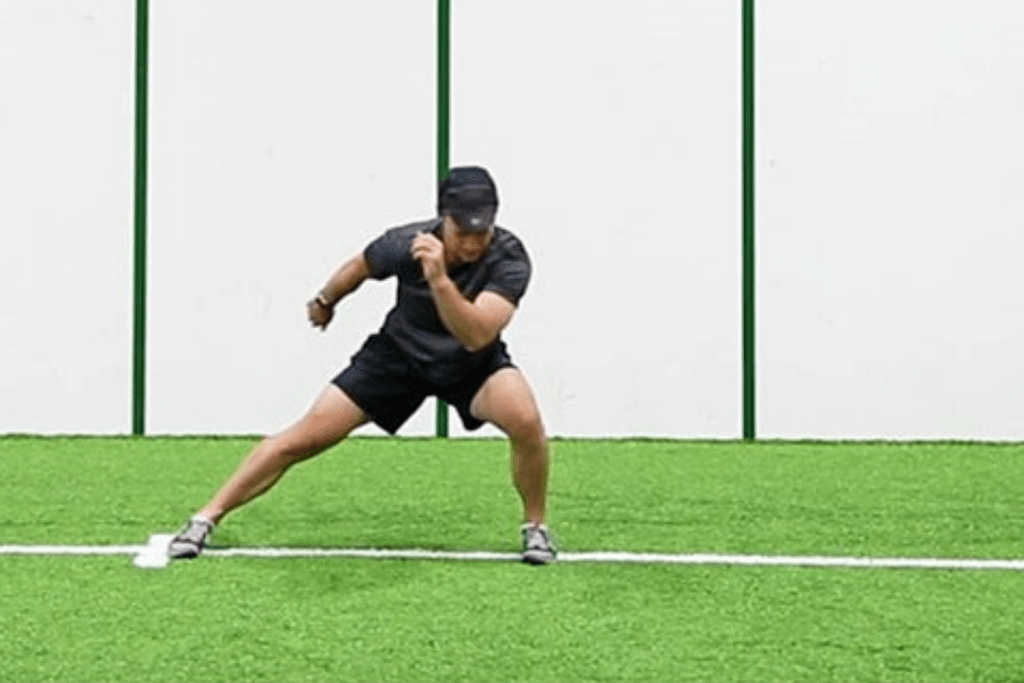
Balance training enhances motor control and can significantly reduce lower-body injury rates. It’s not just about looking strong; it’s about being stable under pressure. Integrating this work also helps refine puck control mechanics, edge handling, and smooth transitions — all while reinforcing a solid foundation for shooting and defending. These drills are perfect for home setups or off-day sessions, making them ideal for players of all levels.
4. Endurance and Conditioning Routines
Stamina separates the elite from the exhausted in the third period. High-level ice hockey demands both aerobic capacity (to maintain pace) and anaerobic power (for sudden bursts and recovery). That means a conditioning program must address both systems strategically.
Use circuit-based off-ice hockey workouts that alternate cardio with resistance exercises. Many of these circuits double as effective dryland exercises for hockey, especially when performed in short bursts with minimal rest. A sample circuit could include 30 seconds each of jump squats, mountain climbers, burpees, push-ups, and rest. Perform three to five rounds, depending on conditioning level.
Complement these routines with tempo runs, stair climbs, or stationary bike intervals. These simulate longer game shifts while also supporting heart rate recovery. HIIT (high-intensity interval training) sessions build the ability to recover faster between plays, helping improve VO2 max and muscular endurance while promoting efficient fat utilization.
Equally important is rest, as overtraining can lead to fatigue, decreased performance, and higher injury risk. Include low-intensity days and structured recovery like foam rolling or mobility work to stay fresh.
These sessions are especially pertinent for off-season hockey drills, where the goal is to enhance base conditioning for the coming season.
5. Off-Season Training Tips
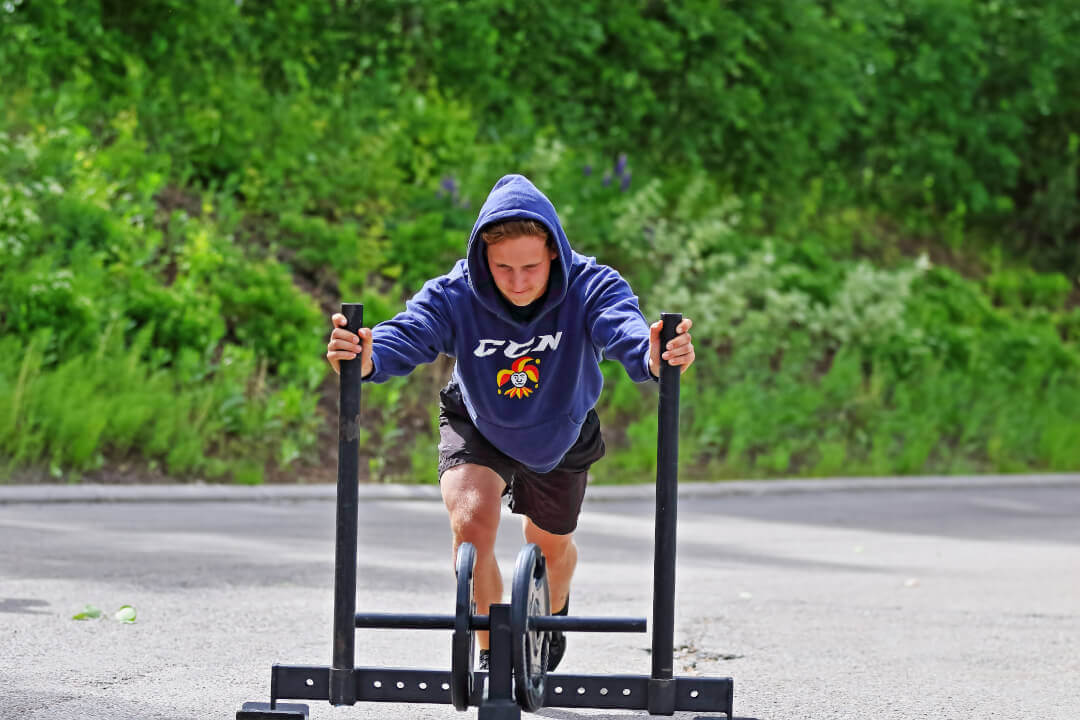 The offseason is your opportunity to rebuild, recover, and refocus. Without game-day intensity, players can prioritize correcting imbalances, enhancing mechanics, and building toward peak conditioning.
The best off-ice training programs follow a periodized approach: start with mobility and general strength, move into hypertrophy or muscle-building phases, then ramp up speed and sport-specific skill work. Youth players benefit from routine and variety; mix resistance training, cardio, and bodyweight agility exercises. Track progress in a workout journal or app to stay motivated.
Explore off-season workout routines designed to fit all ages and skill level; these templates help avoid common pitfalls like burnout or improper progression. Training at home? Invest in essentials like resistance bands, cones, and slide boards. Our dryland training equipment is designed for effective off-ice sessions without the need for a full gym.
By structuring your offseason thoughtfully, you can return to the ice stronger, faster, and more confident.
Stay Game-Ready Year-Round
Hockey success isn’t limited to what happens on the rink. With smart and consistent off-ice hockey workouts, players can improve speed, balance, and muscle endurance while reducing the risk of injury.
The key is building a varied program that blends strength training for hockey, conditioning, and skill development — tailored to each athlete’s goals and schedule. Small improvements off the ice translate into big gains during games.
To get started, explore training aids for young players that make at-home workouts more effective. Need extra protection while training? Browse our player protective gear to stay safe during high-energy sessions.
Want to take your setup to the next level? Shop off-ice training gear today and build a complete system to support your year-round hockey development.