
Building a Home Hockey Rink: Gear, Setup & Training Tips
09 11 2025
From backyard dreams to basement setups, the popularity of home hockey rinks is on the rise — and it’s easy to see why. With rising facility costs, packed practice schedules, and limited rink access, more hockey families are taking the game into their own hands. Building a home hockey rink is no longer just a winter hobby; it’s a strategic move that empowers players to train on their terms.
This guide covers everything you need to know to bring your vision to life — from choosing between an indoor hockey setup or backyard ice rink, to picking the right gear, staying safe, and making the most of your investment.
The Rise of Home Rinks
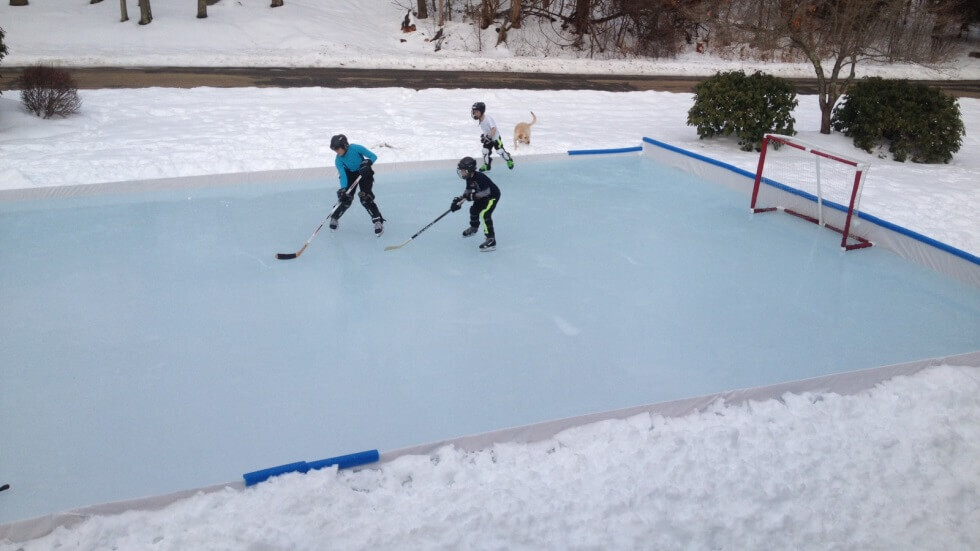 In cold-weather communities across North America, more families are building a home hockey rink to keep kids on the ice year-round. Whether you’re a coach looking to extend practice time or a parent hoping to cut back on travel to rinks, a home setup offers a smart, accessible training solution.
These DIY rinks aren’t just a fun backyard project — they’re powerful tools for home hockey training. Consistent access to ice builds skills faster, boosts confidence, and creates a space where families and local players can come together. It’s a cost-effective way to maintain momentum during off-seasons, and it helps kids and adults alike stay active and sharp without leaving home. Regular access to a rink at home helps players develop muscle memory and stay connected to the game, even during off weeks or busy school schedules.
Whether you’re looking to fine-tune your shot or create a space for your community to skate, a personal rink opens the door to endless possibilities.
Planning Your Space: Indoor vs. Outdoor
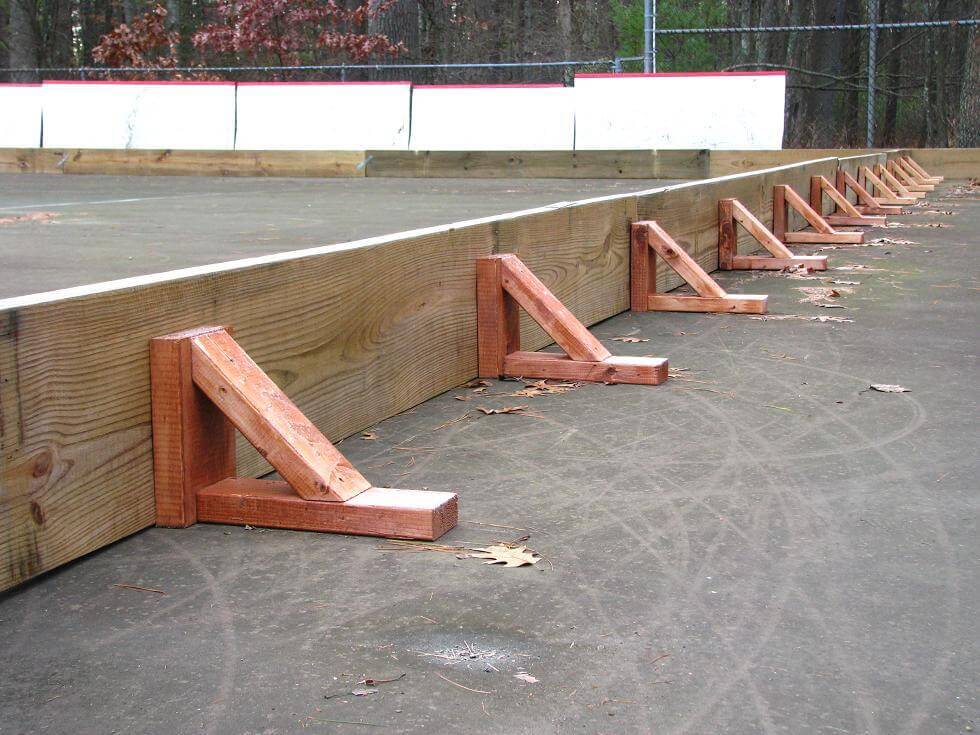 Before you dive into building a home hockey rink, take time to assess your space. Do you have a space large enough for a backyard hockey rink, or are you looking to transform a garage or basement into an indoor hockey setup?
Each location option has unique benefits and trade-offs — understanding these upfront can help you build a rink that fits your space, goals, and climate. Here's how indoor and outdoor setups compare:
Outdoor Rink
- Pros: Natural feel, larger surface area, fresh air, easier drainage
- Cons: Weather dependent, needs winter freezing temps, more maintenance
Indoor Rink
- Pros: Year-round use, weather-proof, can include synthetic ice
- Cons: Space limitations, higher upfront cost, flooring preparation
Synthetic ice tiles work well indoors and are suitable for shooting and stickhandling practice. Unlike real ice, synthetic ice is made from durable polyethylene panels that allow skates to glide while offering more resistance — ideal for strength-building and accessible year-round.
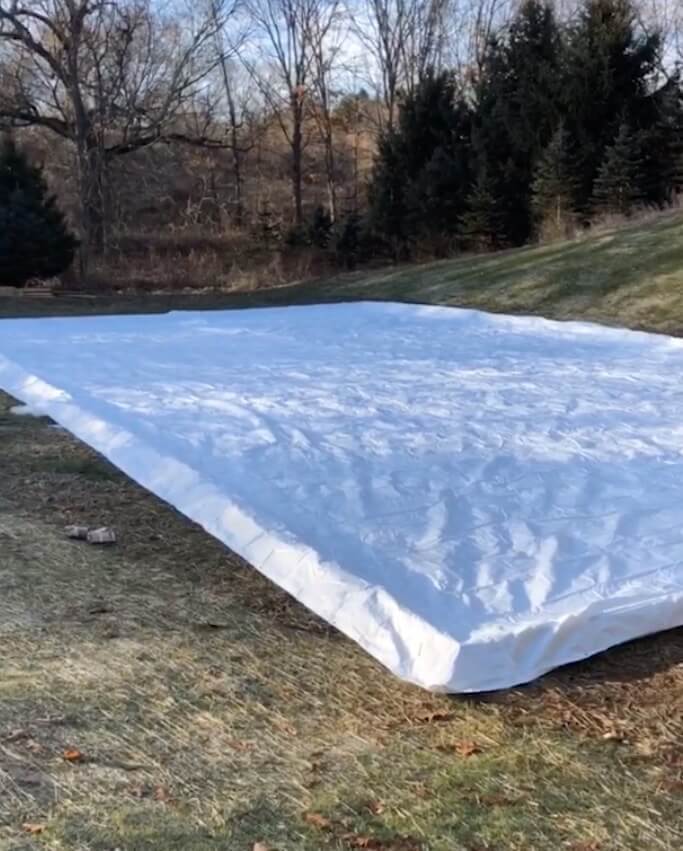
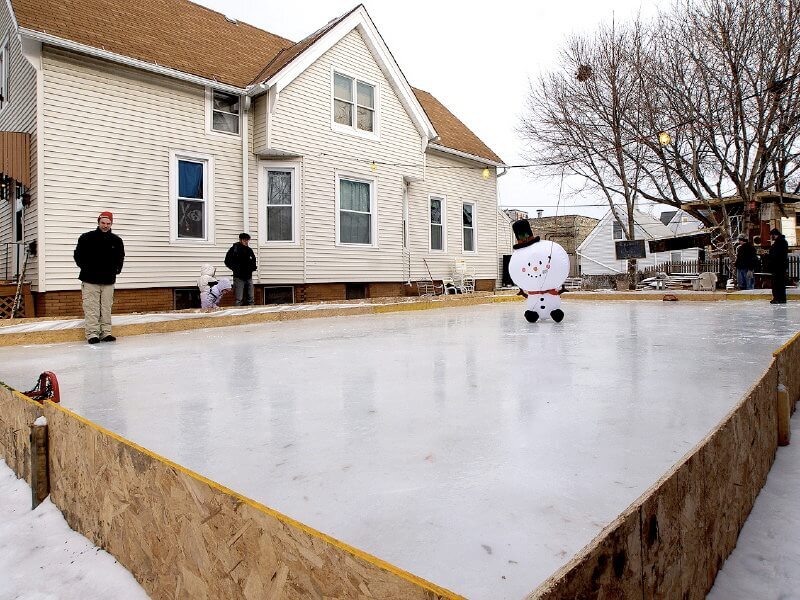
If using a real backyard ice rink, make sure the ground is level and consider adding boards or borders for puck containment. Modular floor tiles designed for dryland training are another great option for indoor rinks, especially in basements or garages with limited space. Planning for ventilation (indoors) or drainage (outdoors) also helps reduce safety risks and prolong rink life.
No matter which setup you choose, smart planning sets the foundation for safe and effective training. Next, gather the must-have equipment that turns an empty surface into a true hockey training zone.
Must-Have Equipment for Your Home Rink
 Once your space is set, it’s time to gear up. The right gear not only makes training more efficient, but it also keeps players engaged and helps simulate real on-ice conditions.
Every skating rink — whether full ice or compact — benefits from durable, multi-use training tools:
- Hockey shooting pad: Protects your stick and mimics ice feel
- Hockey nets: Invest in a sturdy goal that handles repeated shots
- Hockey shooting targets: Practice precision with products like Howie’s targets
- Stickhandling tools for training: Balls, pucks, or slide boards to simulate game-like control
- Practice jerseys for home drills: Lightweight and breathable for high-rep sessions
- Player skates for off-ice practice: Suitable for both indoor tiles and real ice setups
If your rink will see both goalie and forward use, rotate between shooting pads, cones, and resistance tools for flexible setups. Even smaller builds can support effective off-ice hockey drills with the right tools.
Pro Tip: For beginners or younger players, start with equipment that builds confidence — like larger shooting targets or weighted pucks for slower, more controlled stickhandling. These small adjustments make early sessions more productive and less frustrating.
With the essentials in place, your home rink becomes more than just a practice spot; it transforms your space into a personalized development zone. Next, we’ll look at the most effective training aids that deliver real results and long-term value.
Hockey Training Aids Worth the Investment
Not all gear is created equal, and for families focused on home hockey training, it's smart to invest in tools that support measurable progress.
To level up your at-home sessions, these are some of the tools that deliver proven results:
- Reaction balls and light trainers enhance hand-eye coordination
- Balance boards build core control and skating posture
- Resistance bands develop shooting strength and stride power
- Synthetic ice tiles offer a slick surface for shooting and passing without needing a full ice rink
To support skill development and conditioning, explore training aids for skill development. Younger players may start with simple shooting targets, while advanced players benefit from agility lanes, stickhandling courses, and smart pucks with feedback apps.
With the right aids in place, your training becomes more structured, goal-oriented, and fun. But equipment alone isn’t enough — regular maintenance and smart safety practices are key to keeping your rink reliable and ready for every drill.
Maintenance and Safety Tips
Like any home setup, keeping your backyard rink safe and effective requires routine maintenance. Neglecting upkeep can lead to equipment damage, injury risk, and lost training time, so it’s worth building a few simple habits into your routine.
Here are the essentials:
- For ice rinks: Check surface cracks daily, fill with water, and shovel after snowfalls to prevent uneven freezing
- For synthetic rinks: Wipe down tiles weekly and inspect seams for separation
- Use foam pads or bumpers near walls and boards to reduce fall injuries
- Install proper lighting for evening use, and add signage for shared family safety rules
- Store gear in a dry, sheltered spot and inspect items monthly for wear
- When temperatures dip, lay down rubber mats around the rink edge to prevent slips on frozen surfaces during gear changes
Families with younger kids should also prioritize protective equipment and review cold-weather safety. And before each season, revisit this guide on how to sharpen skates at home to make sure your blades are ready to rock.
Staying on top of maintenance and safety isn’t just about preserving your investment — it’s about creating a space where players can grow with confidence. With a clean surface, secure setup, and reliable gear, your home rink becomes a dependable environment for skill-building all season long.
Start Building Your Home Setup
Whether you’re focused on convenience, skill-building, or creating a local hockey hub, building a home hockey rink is one of the best ways to bring the game closer to home.
Start small: lay down a hockey shooting pad and set a weekly schedule for at-home drills. As your space grows, expand with synthetic ice or consider adding lights and boards. The beauty of a home rink is that it grows with your goals — from early stickhandling sessions to full scrimmages with friends. It’s a long-term investment in development, fun, and community, and one that brings real value season after season.
Ready to get started? Shop training gear today to find durable, pro-level accessories that support every step of your game.