


How to Size a Hockey Helmet: Fit Guide for All Ages
09 11 2025
Choosing the right hockey helmet starts with proper sizing. A helmet that fits well protects your head, boosts your confidence, and helps you focus on the game, not your gear.
Ignoring proper fit can lead to serious injury. This guide explains exactly how to size a hockey helmet for safety, comfort, and performance.
Why Proper Helmet Sizing Matters
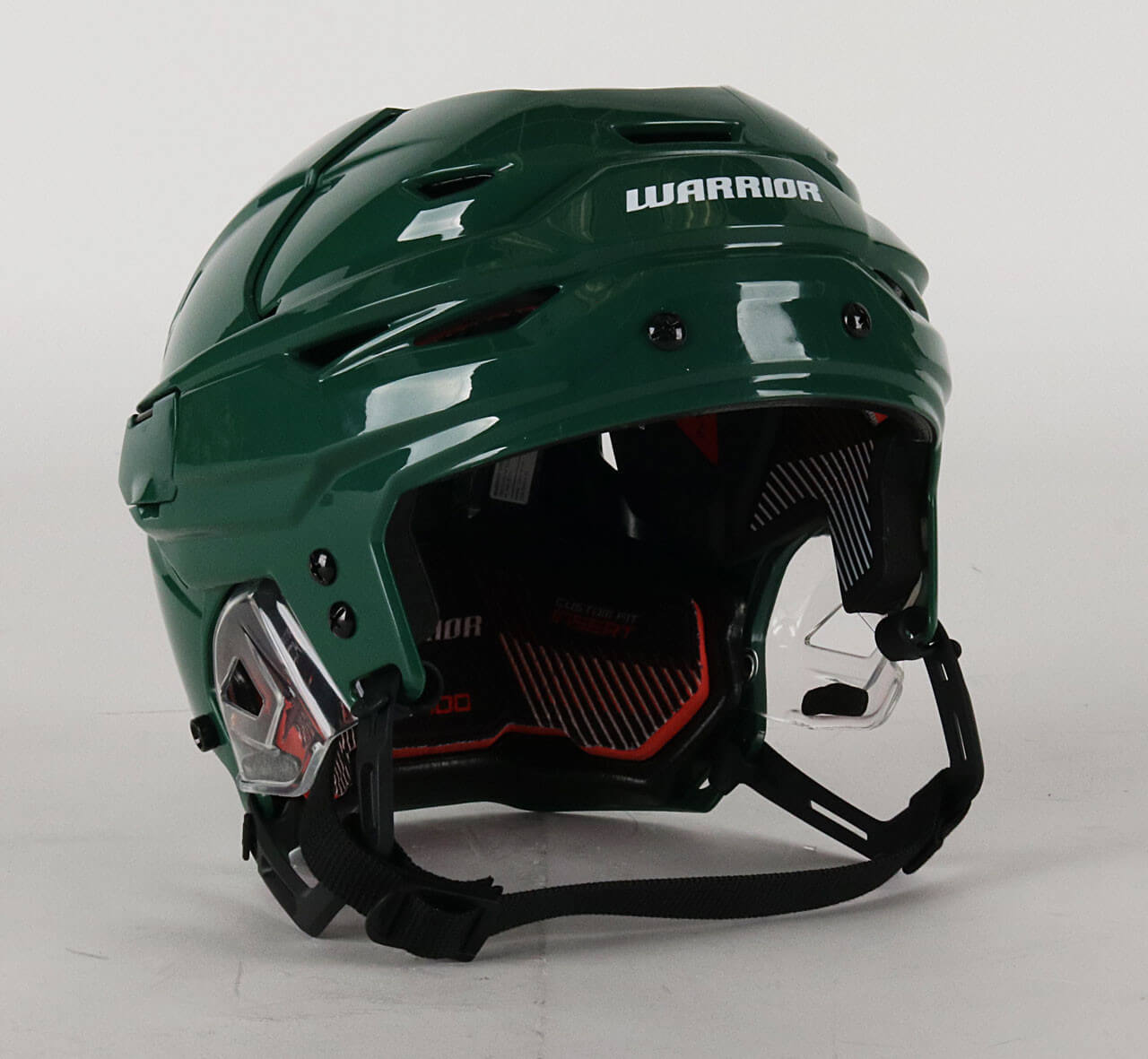 Whether you're lacing up for your first youth league game or heading into another competitive season, a properly sized ice hockey helmet isn’t only about comfort; it’s a crucial layer of protective hockey gear. Helmets that fit poorly can lead to avoidable injuries, including concussions, facial trauma, and general discomfort on the ice.
A proper hockey helmet fit absorbs impact better, stays in place during contact, and aligns correctly with facial protection like cages or visors. This makes helmet sizing essential for players, parents, and coaches alike. If your helmet wobbles or pinches, your safety is at risk.
How to Measure for a Hockey Helmet
 The first step to finding the right fit is knowing your head shape and size. Head shapes can vary widely (some are rounder, others more oval) and different helmet brands are designed with these differences in mind.
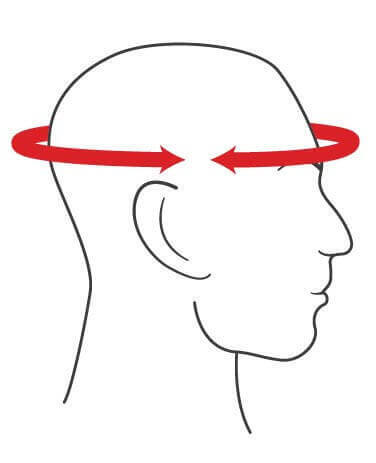
Here's a simple step-by-step process for measuring head for helmet sizing:
- Use a soft measuring tape — preferably flexible and cloth-based.
- Position the tape about one inch above your eyebrows and around the widest part of the head, including the back.
- Take the measurement in inches or centimeters; you’ll need it for the hockey helmet sizing chart.
- Measure twice to ensure accuracy.
This quick process forms the foundation of any hockey helmet fit guide. If you’re buying online, be sure to match your measurements with brand-specific charts for best results. It’s a tactic to ensure you're not relying on generic sizing, which can lead to fit issues that compromise comfort and safety.
Pro Tip: Know your hat size? It can help cross-reference helmet sizes more quickly.
Understanding Helmet Sizing Charts
Once you’ve got your head measurement, it’s time to consult the hockey helmet size chart. These charts translate head circumference into helmet sizes and help narrow your options before trying anything on.
Helmet sizes generally follow these categories:
- Youth (typically for ages 5–9)
- Junior (ages 9–12)
- Senior/Adult (13 and up)
However, sizing isn’t universal. CCM, Bauer, and Warrior each have their own charts and fit profiles. Some helmets fit narrower heads (like the Bauer Re-Akt line), while others accommodate rounder heads (such as the CCM Tacks series).
Always consult the brand's official sizing chart before purchasing. Many include ranges in both inches and centimeters, which makes selection more precise. A few extra seconds reviewing sizing charts can prevent returns, discomfort, and — most importantly — unsafe gear fit.
Signs of a Properly Fitted Helmet
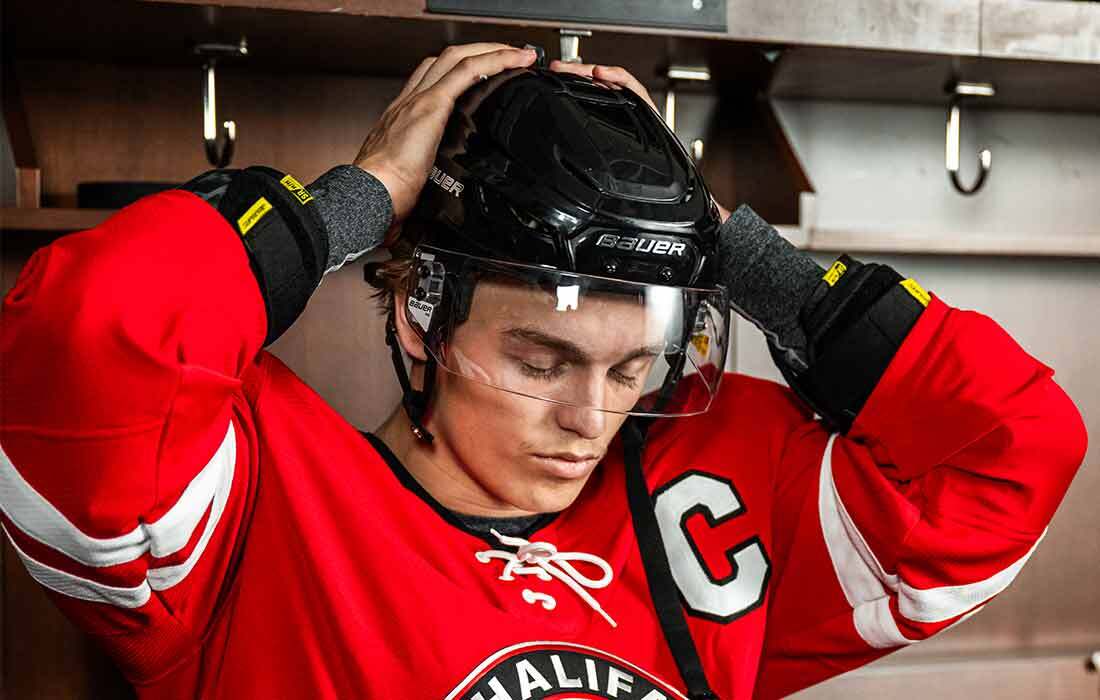
A great helmet fit is snug, not suffocating. It should feel like a firm handshake for your head — secure, but never restrictive or painful.
Look for these signs:
- Snug feel: It should stay in place without sliding.
- No pressure points: If it hurts or leaves red marks, it's too tight.
- Cage alignment: Your eyes should align with the center bars of your face cage or visor options for full-face coverage.
- No forehead gaps: The helmet should touch the temples and forehead evenly.
The chin strap should sit comfortably under the jaw, and the cage should not wobble or sag. A loose strap can reduce the effectiveness of the helmet in a collision, while a crooked cage can obstruct your view and compromise safety. For more, check out our blog on tips for breaking in new gear.
Helmet Sizing for Youth vs. Adults
Sizing a helmet for a child comes with its own set of challenges. Youth heads aren’t just smaller — they’re shaped differently and are still growing. That means a helmet that fits today might feel too tight in just a few months — or fail to protect properly if it shifts during play.
That’s why youth hockey helmet fit often includes more adjustable features, like tool-free side clips or dial-fit systems. For older players, adult hockey helmet sizing often requires evaluating both head shape and brand-specific comfort preferences, especially when transitioning from junior gear.
- Youth helmets prioritize lighter weight and flexibility.
- Adult helmets focus more on dense padding and durability.
- For growing players, choosing a helmet with multi-season adjustability helps balance safety and savings.
Parents should look for youth-specific features and guidance to make sure their player is fully protected as they grow. Need more sizing help for young players? Check out our guide to youth gear sizing tips.
Tips for Trying On and Adjusting Fit
Trying on your helmet? As with any hockey gear fitting, it's best to bring your cage, shoulder pads for added protection, and even your hockey skates to test overall feel.
Here's what to check:
- Movement test: Shake your head gently; the helmet should stay secure.
- Mirror check: Look for balanced positioning and eye-cage alignment.
- Adjustments: Many helmets allow for custom padding tweaks or strap positioning.
Mixing and matching cages across brands is possible, but make sure compatibility won’t affect safety or fit. You can also upgrade comfort and protection with hockey helmet accessories like gel pads, sweatbands, or custom-fit liners.
Protect Your Game with the Right Fit
Every player deserves a helmet that fits as well as it protects. From peewee leagues to adult pickup, a correctly sized and well-maintained helmet makes the difference between a confident shift and a dangerous one.
From the helmet down, well-sized protective gear helps every player perform better, feel more confident, and stay safer on the ice. Ready to upgrade your lid? Explore Pro Stock’s elite inventory of pro-quality helmets and size with confidence. Shop hockey helmets today.