-

-

-

-

-

Warrior
Left - Johnny Oduya Covert QRL 'Dressed as Dynasty HD1' 110 Flex Stick #4
MSRP: $129.99$99.99 -

-

-
High-Quality, Professional-Grade Ice Hockey Sticks
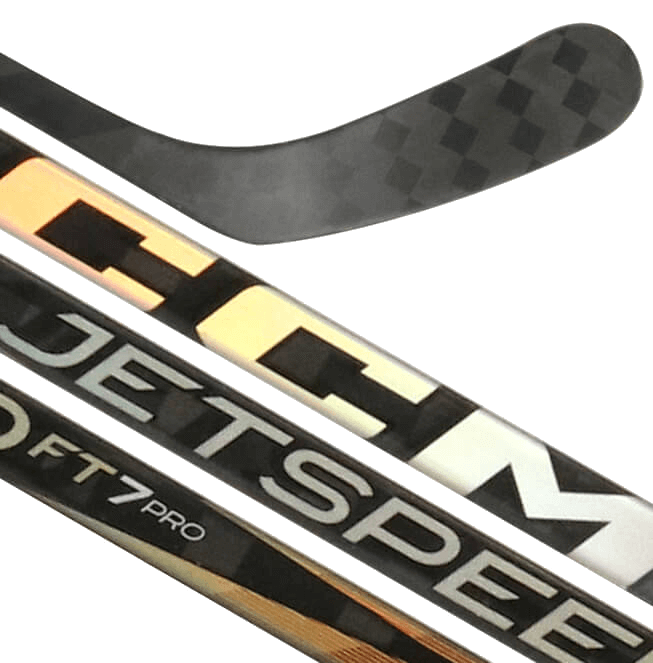
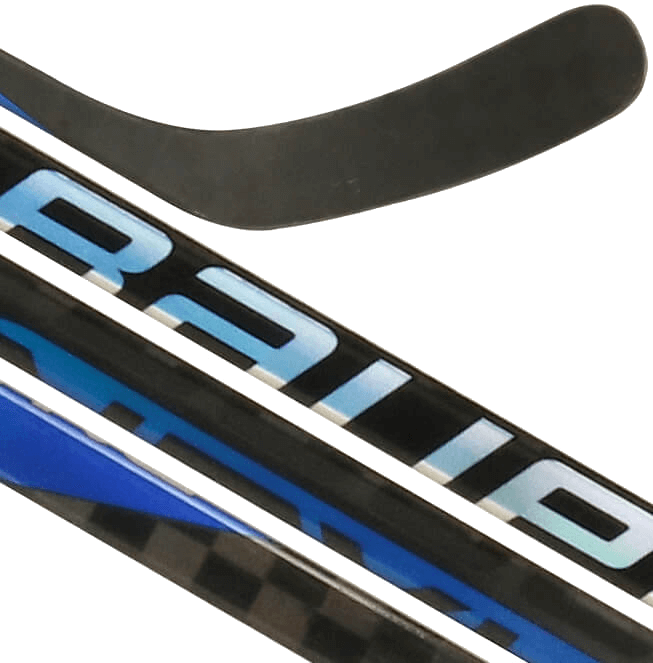
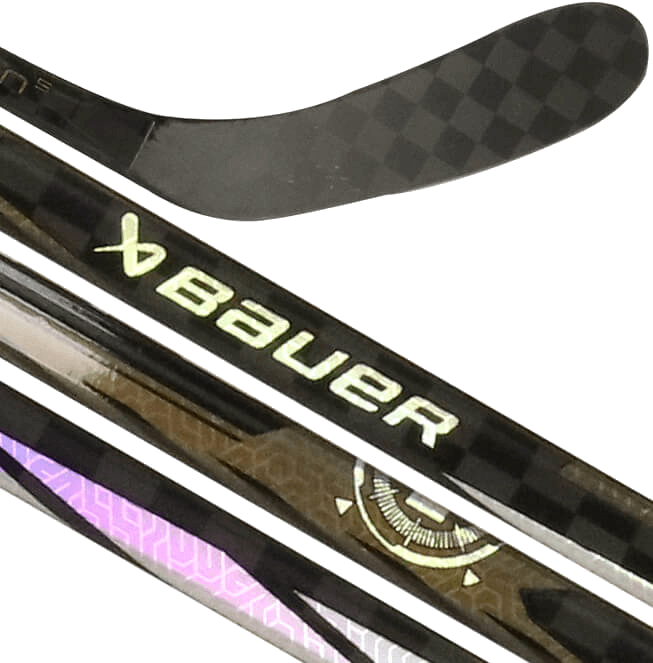
At ProStockHockey.com, we specialize in authentic pro stock sticks built for performance at every level. These sticks are the same ones manufactured for NHL players, available to you at prices well below retail.
Our inventory includes junior hockey sticks, intermediate sticks, and senior hockey sticks from trusted brands like Bauer, CCM, Warrior, and more. Whether you’re a beginner, weekend league player, or seasoned competitor, you’ll find the right fit for your style of play.
Why Most Players Choose Composite Hockey Sticks
Today, almost every player stick is a composite hockey stick. Made from carbon fiber and advanced resin systems, these sticks deliver lighter weight, quicker releases, and improved puck control.
Compared to outdated wood models, a graphite blend composite stick offers superior durability and consistency. No matter your skill level, a composite stick gives you the performance edge modern hockey demands.
One-Piece vs. Two-Piece
When it comes to construction, the choice is all about performance. One-piece sticks (OPS) provide a consistent kick point and lighter feel, while two-piece sticks allow players to customize shafts and blades to match their style.
Flex considerations:
- Position: Defensemen often choose stiffer shafts for power, while forwards prefer more flex for quick release.
- Strength: Bigger, stronger players typically need higher flex ratings.
- Play style: Snipers may favor lower flex for wrist shots, and grinders often look for stiffer options for durability.
Understanding Blade Patterns and Curves
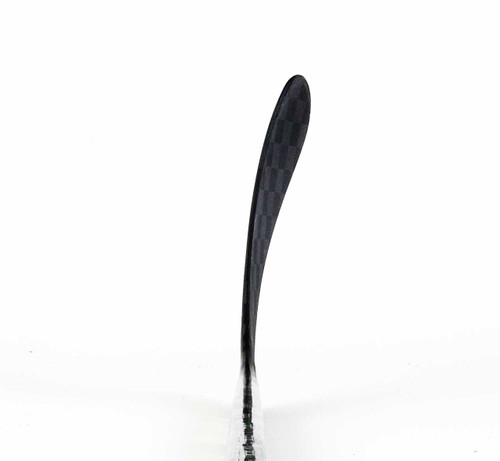
Blade patterns are one of the most important factors in determining how your stick feels and performs. The right curve affects your puck control, passing accuracy, and shot release:
- Type of curve (heel, mid, toe):
- Heel curves work well for defensemen, offering powerful slap shots and better control when clearing the puck.
- Mid curves are the most versatile, giving balanced performance for passing, shooting, and stickhandling — a great option for all-around players.
- Toe curves favor forwards who rely on quick wrist shots and precise puck handling close to the net.
- Depth of curve (slight, moderate, deep):
- A slight curve provides more control and makes it easier to use the backhand.
- A moderate curve balances control with lift on shots, fitting a wide range of play styles.
- A deep curve allows players to get under the puck more easily, producing higher, faster shots, though at the expense of backhand strength.
- Face angle (neutral, slightly open, open):
- Neutral angles are best for players who focus on accurate passing.
- Slightly open faces add some extra lift to snapshots and wristers.
- Open faces help elevate the puck quickly, ideal for scoring close to the crease.
Choosing the right blade pattern depends on your position and role on the ice. Defensemen often lean toward heel or mid curves for control and power, while forwards gravitate to mid or toe curves for quick-release shots and creative stickhandling.
Why Pro Stock Hockey Sticks Deliver More Value
What makes a pro stock stick better than a regular retail model? They’re built to more stringent standards, providing unrivaled quality at unbeatable prices.
Key benefits:
- Custom specs tailored for NHL performance
- Premium-grade materials
- Wider selection of heights, flexes, and curves
- Distinct team and player branding
- Rigorously tested for accuracy and quality
- Lower prices than retail
Hockey Stick FAQs
What is the lie of a hockey stick?
The lie refers to the angle between the blade and the shaft. It affects how the blade sits on the ice. Players who skate upright often prefer higher lies, while those who skate lower to the ice choose lower lies.
What is hockey stick flex and how do I choose it?
Flex measures how much force it takes to bend the shaft. A lower number means more flexibility, which benefits lighter players or forwards looking for quick releases. Higher flex ratings are better for stronger players or defensemen who need powerful shots.
What’s the difference between composite and wood sticks?
Composite sticks (carbon fiber, resin) are lighter, more durable, and provide faster shots. Wood sticks are heavier and less common today but can offer a traditional feel at a lower price point.
How do I size a hockey stick correctly?
Stand in skates with the stick upright. For most players, the top of the stick should reach between the chin and nose. Adjust based on position: defensemen may prefer longer sticks for reach, while forwards often cut their sticks shorter for control.
What makes a pro stock stick different from retail?
Pro stock sticks are custom-built for NHL players with unique specifications, premium materials, and stricter quality standards. They’re more durable and often sold at lower prices than retail models, making them one of the best hockey sticks options for value.
Additional resources:
Shop Our Exclusive Hockey Stick Collection
Our online store gives you direct access to sticks made for the pros — and once they’re gone, they’re gone. Inventory updates frequently, so check back often for new arrivals. Shop NHL Hockey Sticks today!