
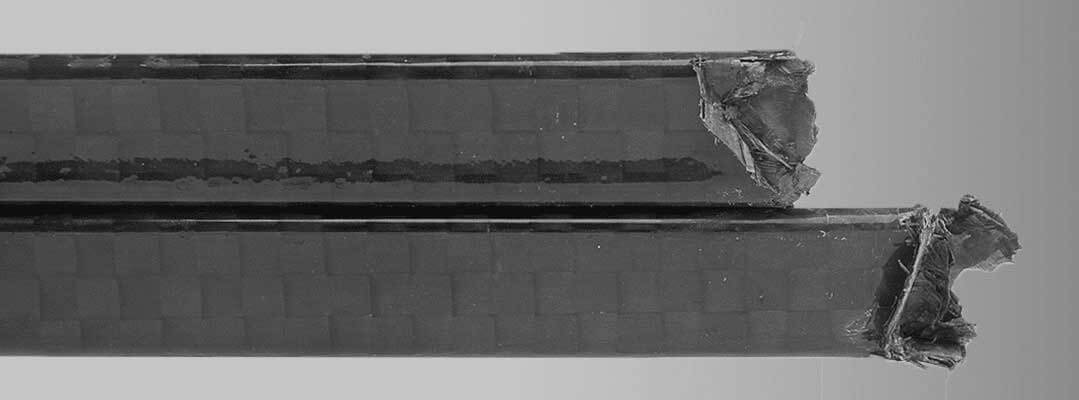
Most modern hockey sticks are made of composite materials, usually carbon fiber layered with resin and reinforced with materials such as fiberglass or Kevlar. Older and lower-cost hockey sticks may be made from wood, while aluminum hockey sticks are mostly a piece of equipment history at this point.
The material of a stick is important because it affects how a stick feels, flexes, shoots and holds up during play. A lighter composite stick can help players get the puck off their blade quickly, while a wood stick may offer a more traditional feel and lower price. Understanding hockey stick materials makes it easier to compare options and choose a stick that fits your game.
From Wood to Composite: How Hockey Stick Materials Evolved
Early hockey sticks were made from wood. Some of the first commercially produced sticks were hand-carved from hornbeam by Indigenous Canadian Mi’kmaq makers in the late 1800s. As hockey grew, manufacturers shifted to other woods and eventually to laminated wood construction, which allowed for more consistent production.
By the mid-20th century, wood sticks often included fiberglass-wrapped blades for added strength. In the 1980s and 90’s, aluminum shafts had a run of popularity, but they never became the long-term standard. Composite hockey sticks eventually took over because they were lighter, more responsive and easier to engineer for specific performance needs.
Today’s hockey stick technology is built around precision. Manufacturers can adjust weight, flex profile, kick point, blade feel, shaft shape and grip which marks am major shift from durability being the biggest component.
Wooden Hockey Sticks: The Original Standard
Wood hockey sticks were the standard for decades. Early sticks were carved from a single piece of wood, while later models used laminated shafts and separate blades. Common woods included birch, maple, ash and other hardwoods selected for strength and playability.
Wood sticks still have a place in the game, especially for beginners, recreational players and anyone who prefers a more traditional puck feel. They are usually heavier than composite sticks, but some players like that solid feel when battling for pucks or learning basic stickhandling.
Pros of wood hockey sticks:
- Lower cost than most composite hockey sticks
- Traditional feel for puck handling and passing
- Durable enough for many beginner and recreational players
- Simple option for players who do not need advanced stick specs
Cons of wood hockey sticks:
- Heavier than modern composite sticks
- Less consistent flex and responsiveness
- More likely to absorb moisture or warp over time
- Fewer performance-focused options for kick point, blade construction and weight
Wood vs. composite sticks comes down to what the player needs. Wood may make sense for cost and feel, while composite sticks offer more speed, consistency and customization.
Why Aluminum Hockey Sticks Faded Out
Aluminum hockey sticks became popular for a short time in the 1980s and 1990’s. Many used an aluminum shaft with a wood blade, giving players a stick that felt different from traditional wood while offering more durability in the shaft.
Aluminum was an important transition material, but it did not last as the top option. Compared with modern composite hockey sticks, aluminum sticks were less refined and often less comfortable.
Why aluminum faded:
- They were heavier and less responsive than later composite sticks.
- They transferred more vibration into the hands.
- They offered limited flex, feel and customization compared with carbon fiber hockey sticks.
Aluminum helped push hockey stick design forward, but it was quickly passed by composite construction.
Composite Hockey Sticks: What Most Modern Sticks Are Made Of
Most modern hockey sticks are composite hockey sticks. These sticks are usually made from carbon fiber, resin and other reinforcing materials such as fiberglass and Kevlar. The exact mix varies by brand, model and performance level.
Carbon fiber is the main material in many high-performance sticks because it is light and strong. Fiberglass can add durability and change the feel of the stick. Kevlar may be used to improve strength and help dampen vibration. Resin binds the layers together and helps create the finished structure.
Composite hockey sticks became the modern standard because they allow manufacturers to control performance in ways wood and aluminum cannot. Instead of relying on the natural properties of wood, brands can design sticks for specific flex ratings, kick points, blade stiffness and balance.
Performance benefits of composite hockey sticks:
- Lighter weight for quicker handling and faster release
- Consistent flex for better energy transfer on shots
- More options for kick point, blade curve, lie and grip
- Better balance between power, control and responsiveness
- Strong performance options for serious players at many levels
For players comparing hockey stick materials, composite is usually the best place to start. It dominates current play because it gives players more control over how the stick performs.
How Modern Composite Hockey Sticks Are Built
Composite stick construction can get technical, but the basic process is easy to understand. Manufacturers layer advanced materials, mold them into shape and finish the stick for the desired feel, curve and graphics.
Shaft Construction
The shaft is the long handle portion of the stick. In many composite sticks, the shaft is made from layers of carbon fiber fabric.
- Carbon fiber sheets are coated with resin.
- Layers are arranged in different directions for strength and stiffness.
- The material is formed around a mold to create a hollow shaft.
- The shaft design helps determine flex, kick point and overall feel.
This layered construction is a major reason composite sticks can be made so light without feeling weak.
Blade Construction
The blade has to balance feel, stiffness and durability. It needs to receive passes, control the puck and hold up through shots, faceoffs and board battles.
- Many composite blades start with a foam core.
- The core is wrapped with carbon fiber or graphite material.
- Additional layers may be added for stiffness and durability.
- The blade is bonded to the shaft or built as part of a one-piece design.
Blade construction affects puck feel, shot accuracy and how much feedback a player feels through the hands.
Finishing
Once the shaft and blade are formed, the stick goes through finishing steps.
- The blade curve and lie are shaped through molding.
- Excess material is removed. The stick is sanded, painted and coated.
- Graphics, grip texture and final details are added.
Those finishing steps do more than make the stick look clean. They help create the final feel players notice on the ice.
How Stick Materials Affect Feel, Weight and Durability
Hockey stick materials matter because they change how the stick plays. Two sticks can have the same length and flex rating but feel different because of how they are built.
- Feel: Wood sticks often provide a softer, more traditional puck feel. Composite sticks tend to feel more responsive, which can help with quick shots and faster puck movement.
- Weight: Composite sticks are usually the lightest option. Wood sticks are heavier, while aluminum sits mostly in the middle but is no longer common.
- Durability: Wood can be tough and affordable, but it may wear down, absorb moisture or lose consistency. Composite sticks are designed for strong performance, but high-end lightweight models can still break under heavy use.
Wood vs. Aluminum vs. Composite: Key Material Differences
Each hockey stick material has tradeoffs. Composite sticks are the clear modern standard, but wood and aluminum still help explain how stick design has changed.
- Weight: Composite sticks are usually the lightest. Aluminum sticks were lighter than many older wood models but heavier and less refined than today’s composites. Wood sticks are typically the heaviest.
- Durability: Wood can be reliable and inexpensive, but it may lose shape or absorb moisture. Aluminum shafts were durable but had feel and vibration issues. Composite sticks are engineered for strength, but durability varies by model and level.
- Cost: Wood sticks are usually the most affordable. Composite sticks range from entry-level to premium pro-style models. Aluminum sticks are not a major current buying category.
- Performance: Composite sticks offer the best blend of shot speed, release, balance, flex consistency and customization. Wood can still work well for beginners or players who want a traditional feel.
For most players today, no matter the level, composite is the strongest overall choice. Wood may still make sense for new players, budget-conscious players or anyone who likes the old-school feel.
Which Hockey Stick Material Is Best for Different Players?
There is no single best hockey stick material for every player. The right choice depends on level, budget and playing style.
Beginners and recreational players may do fine with a wood stick or an entry-level composite stick. Wood can keep costs down, while a basic composite stick gives players a lighter, more modern feel.
Youth players and parents should focus on fit, flex and comfort first. A stick that is too stiff, too long or too heavy will hurt performance more than the material itself. Once the size is right, composite sticks often give younger players better control because they are easier to handle.
Competitive players usually benefit most from composite hockey sticks. The lighter weight, consistent flex and wider range of specs make it easier to match the stick to a player’s shot style and position.
Choose the Right Hockey Stick Material, Then Shop With Confidence
Hockey sticks have come a long way from one-piece wood construction. Today’s sticks are mostly built from composite materials like carbon fiber, fiberglass, resin and sometimes Kevlar because those materials give players a better mix of weight, power, control and consistency.
Once you understand the material differences, it becomes easier to narrow your options by feel, flex, curve, length and play style. You can shop hockey sticks by material and play style at and compare options that match the way you play.