The Right Weight: Why 400 Grams May Be the Sweet Spot for a Hockey Stick
06 01 2026
For the last several years, hockey stick companies have been in an all-out race to make sticks lighter.
Every new top-end release seems to come with the same message: lighter, faster, quicker release, reduced swing weight, more advanced carbon layering.
And to be fair, lightweight composite sticks absolutely changed hockey. Modern sticks allow players to shoot faster, handle the puck quicker, and release shots in ways that simply weren’t possible with older wood or aluminum shaft setups.
But somewhere along the way, the hockey world started assuming that lighter automatically means better.
I don’t think that’s true anymore.
The better question is:
What is the right weight for a hockey stick?
Because there’s a major difference between a stick being “light” and a stick actually performing at the highest level over time.
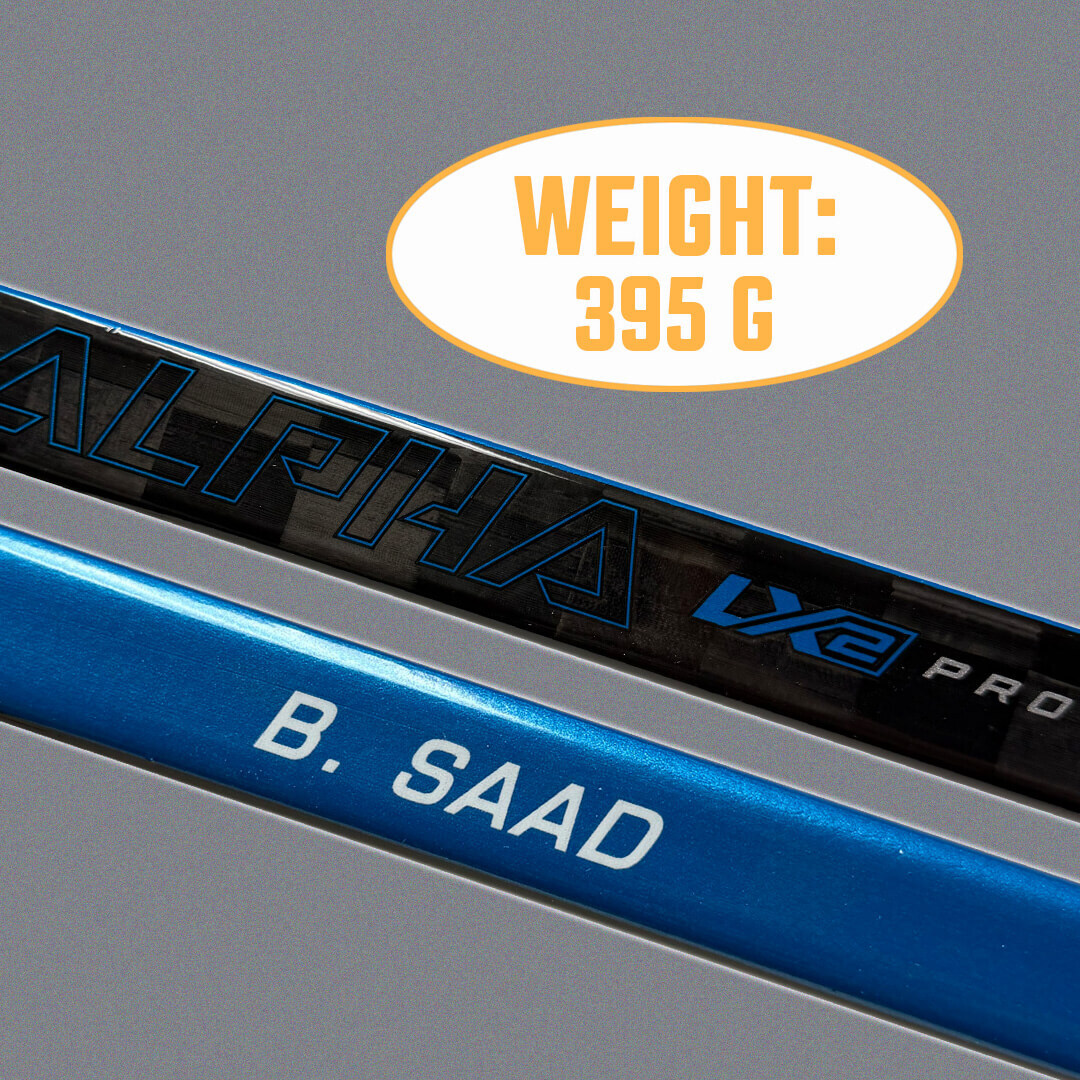
Personally, I believe the sweet spot is around 400 grams.
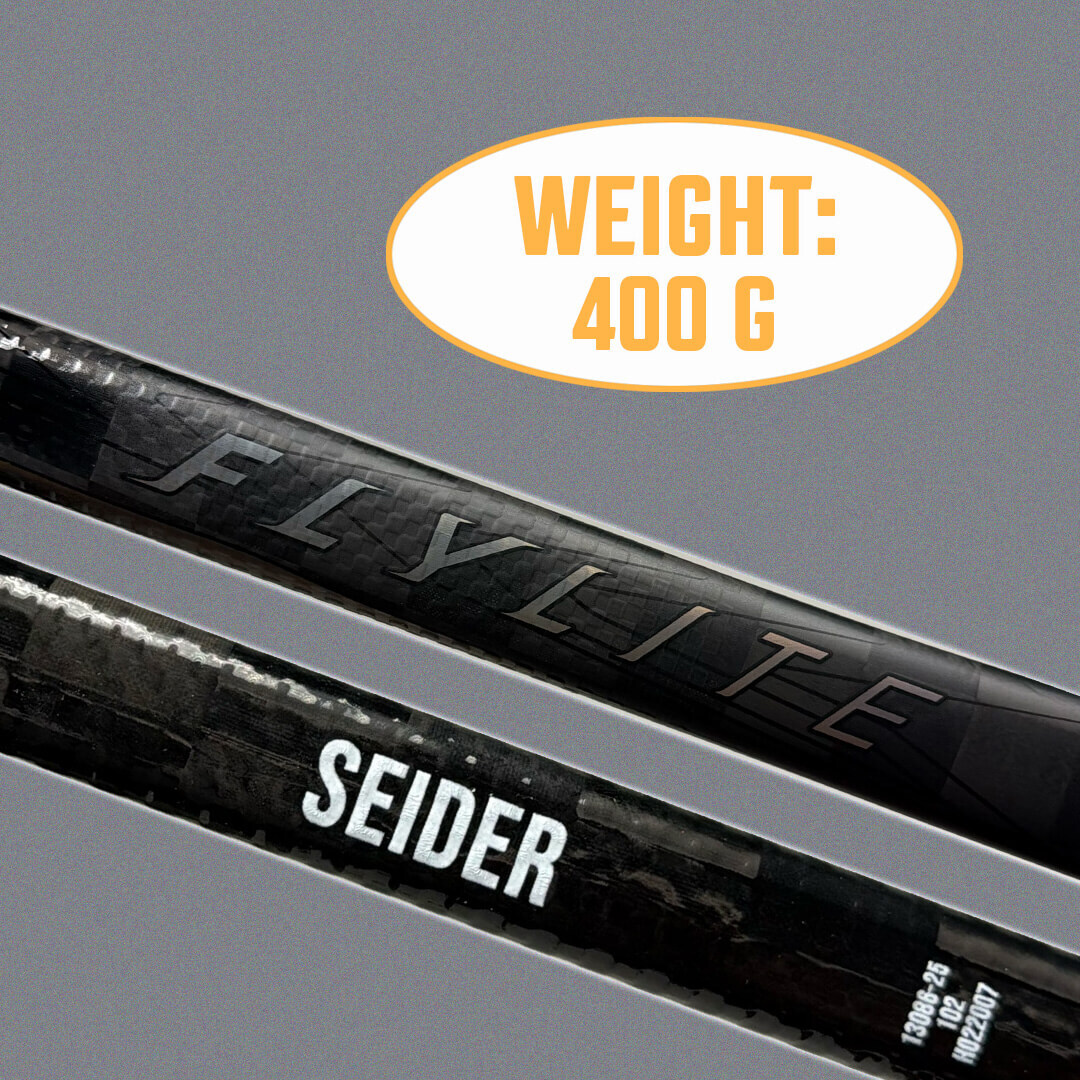
Not because it’s the lightest possible number, but because it’s where performance, balance, feel, durability, and real-world playability all start coming together.
Other sports have already gone through this exact same debate.
Hockey Isn’t the First Sport to Learn This Lesson
Baseball went through this years ago.
When aluminum and composite bats became mainstream, manufacturers started making bats lighter and lighter. The thinking made sense on paper: lighter bat equals faster swing speed.
But eventually hitters started realizing something. Some bats became too light.
Players lost feel for the barrel. The swing path didn’t feel as connected. There wasn’t enough weight moving through the zone to create natural momentum and timing. A lot of hitters — especially stronger and more advanced hitters — actually preferred slightly heavier bats because they could feel the bat working through the swing.
That extra weight created rhythm and controlled momentum.
Hockey sticks are no different.
A stick isn’t just something you hold. It’s part of a player’s timing, balance, shooting mechanics, puck feel, and confidence. Players need to feel the stick load during a shot. They need to feel the blade receive the puck. They need to feel resistance during battles and one-timers.
At some point, if a stick becomes too light, some players lose that connection.
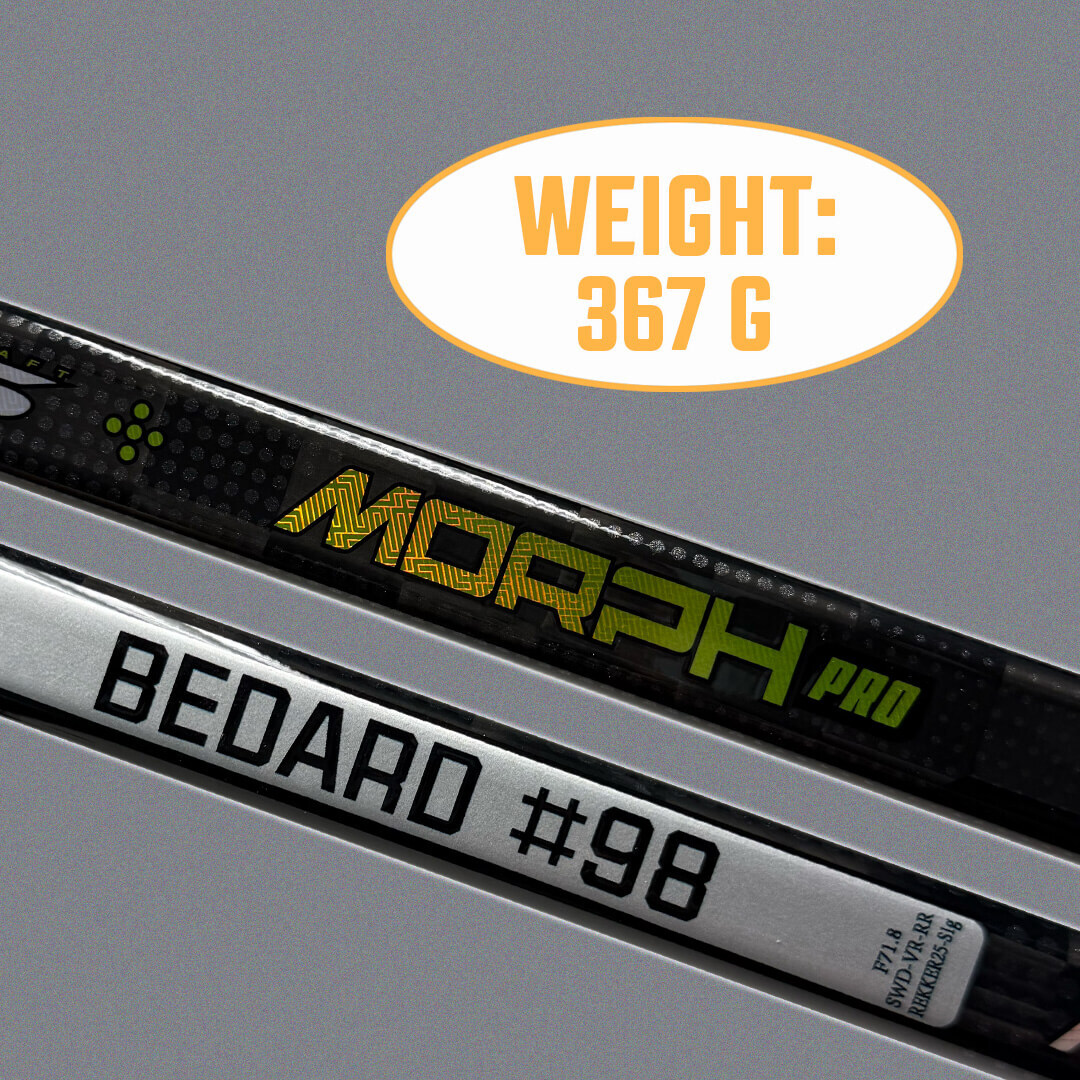
That doesn’t mean ultra-light sticks are bad. It just means there’s a point where lighter stops automatically meaning better.
What NHL Players Actually Use
One of the biggest misconceptions in hockey equipment is that NHL players all use the newest retail sticks hanging on store walls. That’s not reality.
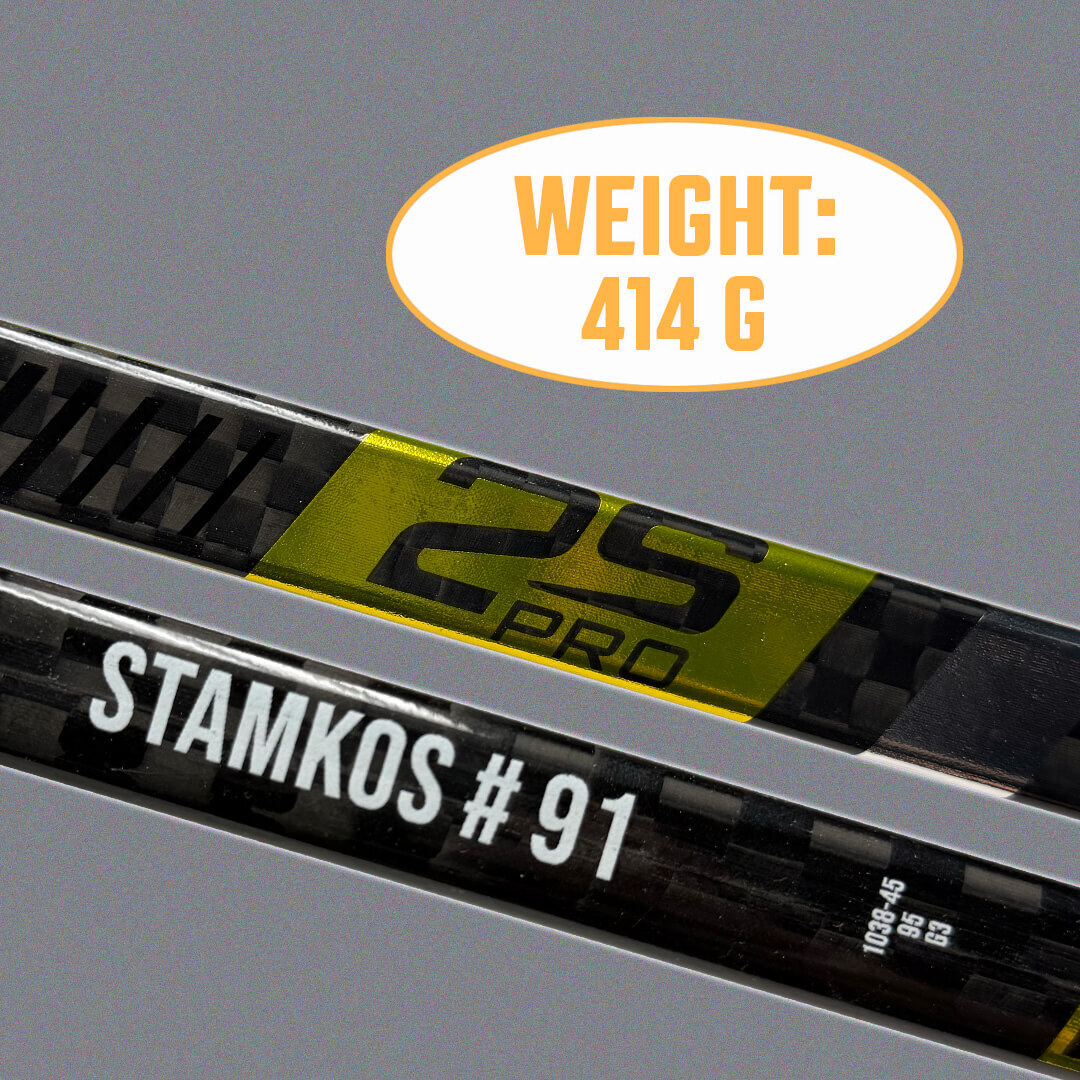
At ProStockHockey.com we sell authentic NHL pro stock sticks every day, and one thing becomes obvious very quickly:
A lot of NHL players are using sticks that are heavier than today’s latest retail releases. In fact, many NHL sticks fall in the 425-460 gram range.
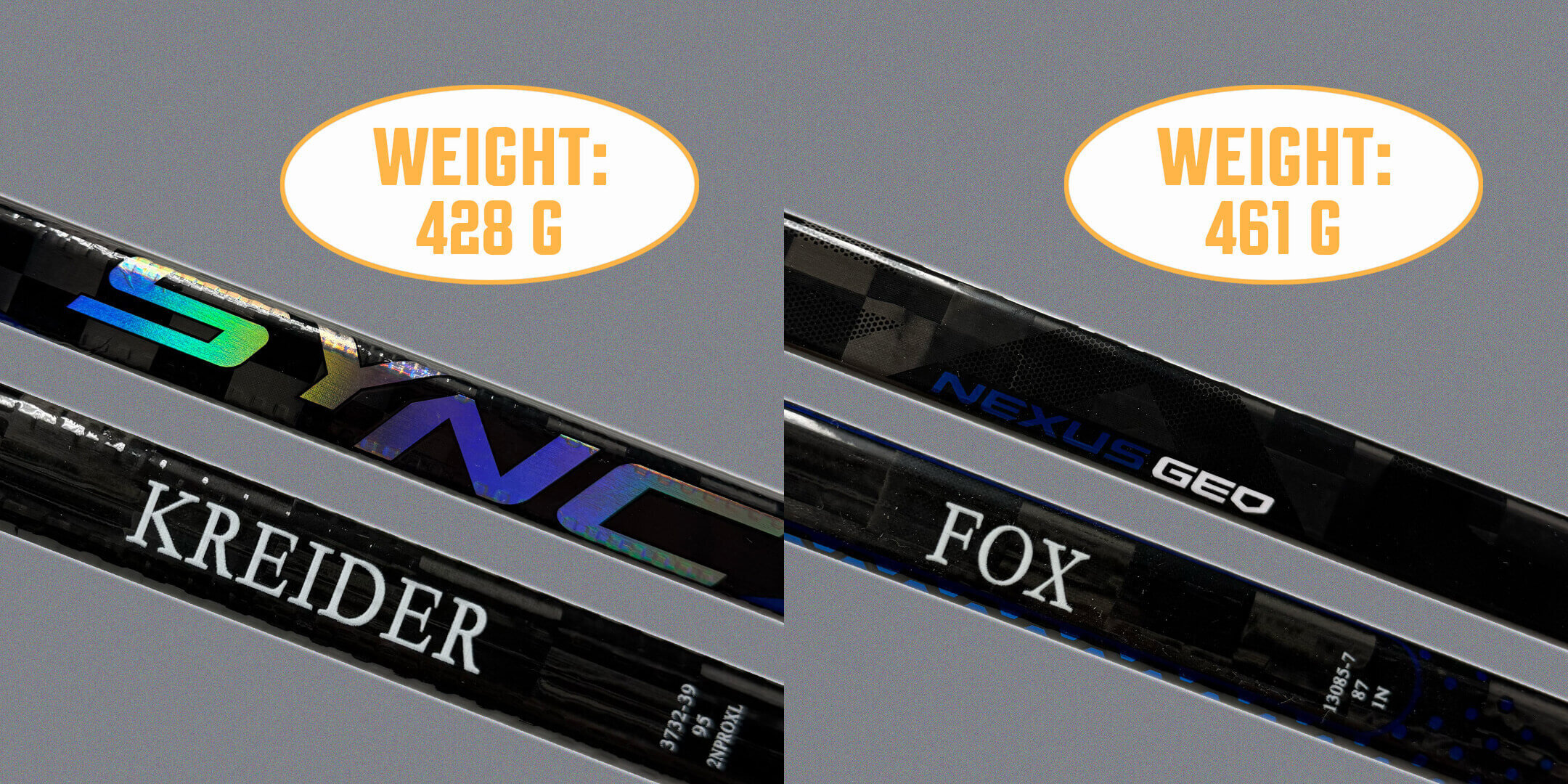
That surprises people because retail marketing has conditioned consumers to think 360 grams is automatically superior.
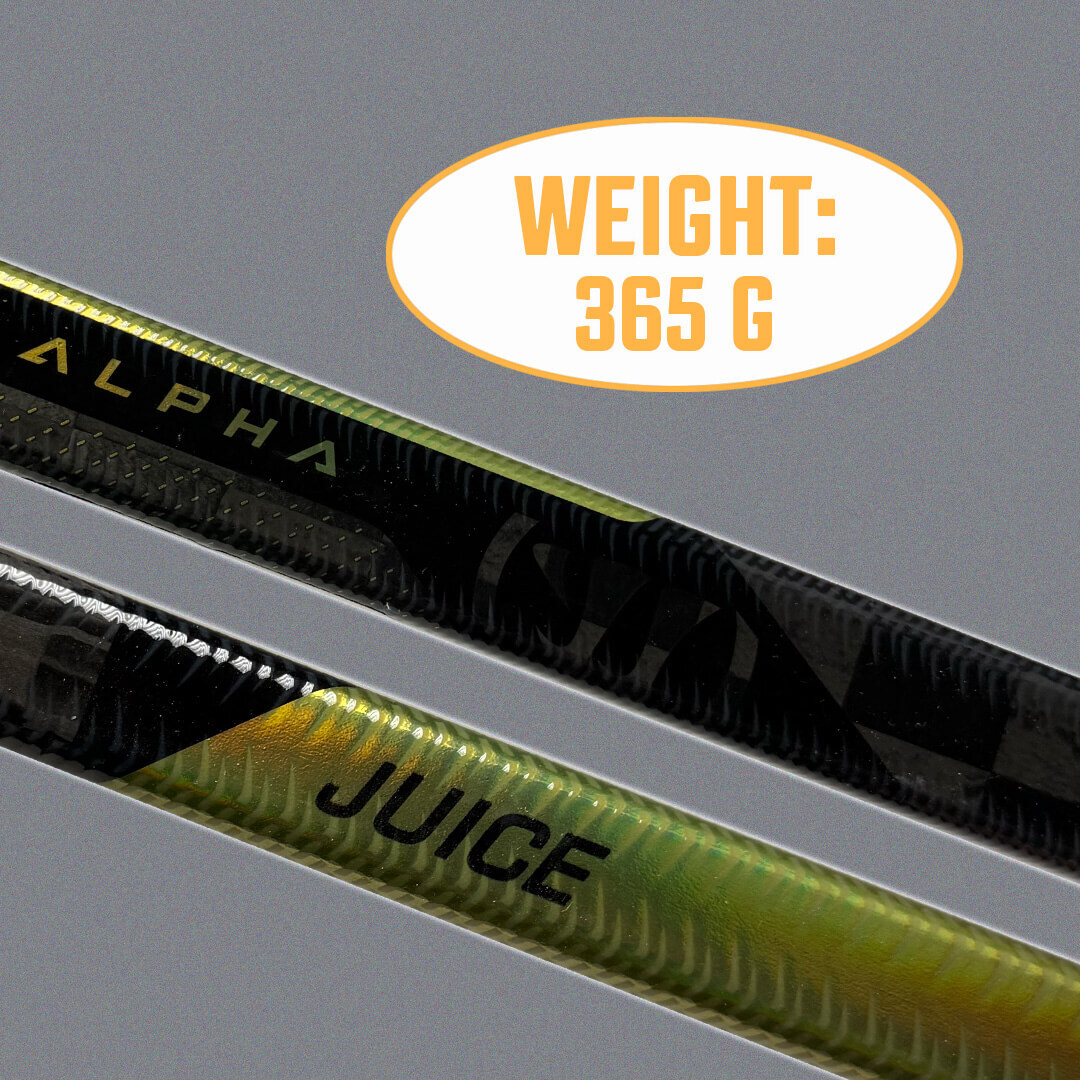
But NHL players aren’t chasing marketing numbers. They’re chasing performance and manufacturers will literally build whatever those players want.
If a player wants a reinforced blade, they get it. If they want extra material in the lower shaft, they get it. If they want an older construction from five years ago, manufacturers will keep making it. If they want a different balance point, dampened puck feel, or stronger hosel construction, it gets customized.
These are highly tuned tools built specifically for how that player shoots and plays. And many elite players still want enough weight in the stick to actually feel it during the game.
That matters.
Because if the lightest possible stick automatically created the best performance, NHL players would all be using the absolute lightest sticks available.
A lot of them aren’t.
Feel Matters More Than People Think
One thing the hockey industry doesn’t talk about enough is feel.
Weight is easy to market because it’s measurable. You can put “360 grams” on a graphic and instantly position the stick as elite.
But players don’t play hockey with a stick sitting still on a scale. They play with it moving through space. That’s where balance, stability, and feel become incredibly important.
A well-balanced 405-gram stick can honestly feel lighter in play than a poorly balanced 370-gram stick.
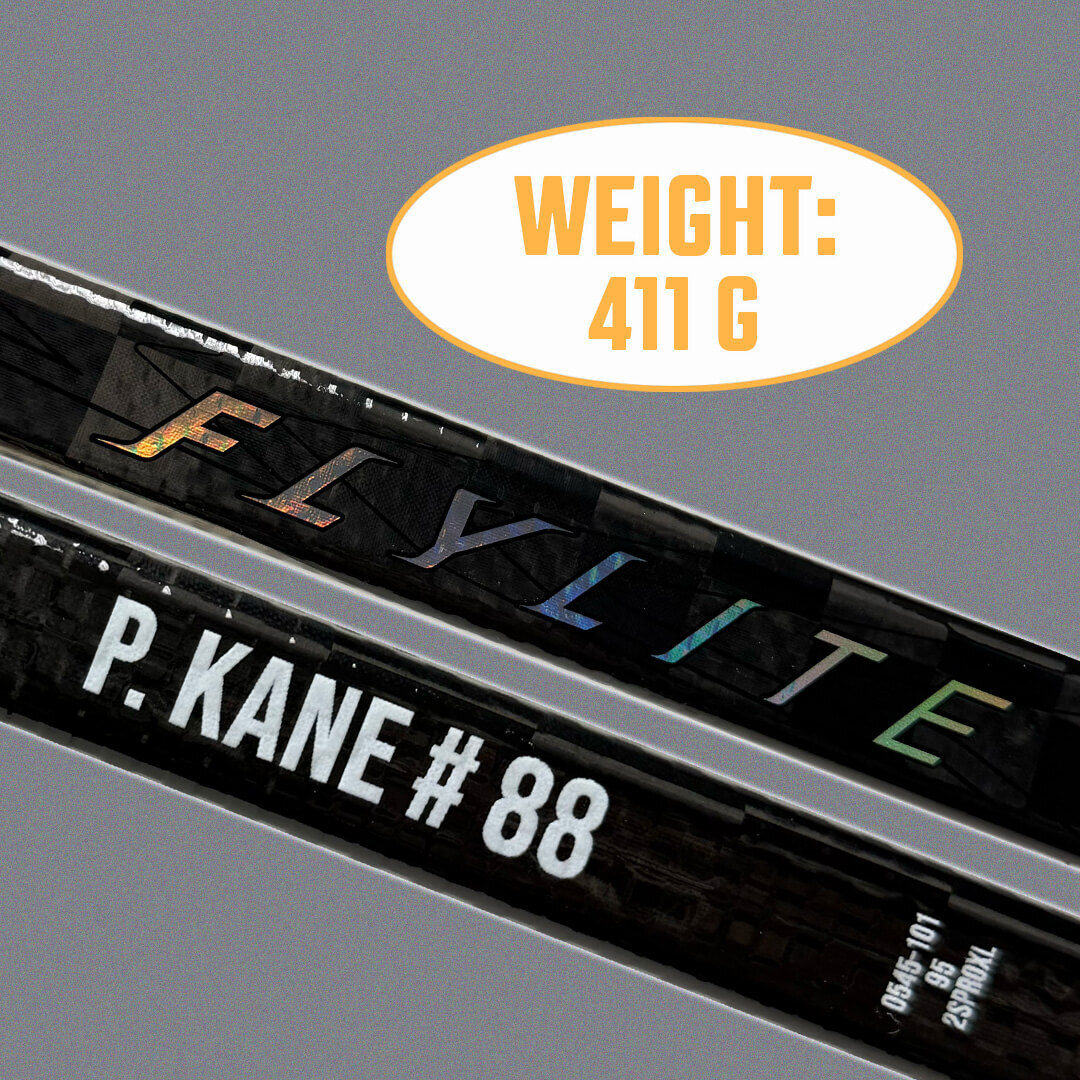
Players care about:
- how stable the blade feels
- how connected the puck feels
- how the stick loads during a shot
- how predictable the release feels
- how the stick reacts under pressure
Those things matter far more than simply shaving another 15 grams off the total weight.
Player Size Matters Too
Another thing that gets overlooked is player size.
Height and body weight matter a lot when it comes to stick preference. A 5’8”, 155-pound forward loads a stick very differently than a 6’4”, 220-pound NHL defenseman.
Bigger, stronger players naturally put more force into the shaft and blade. They lean harder into shots. They generate more torque. They put more stress on the lower portion of the stick during battles and puck protection.
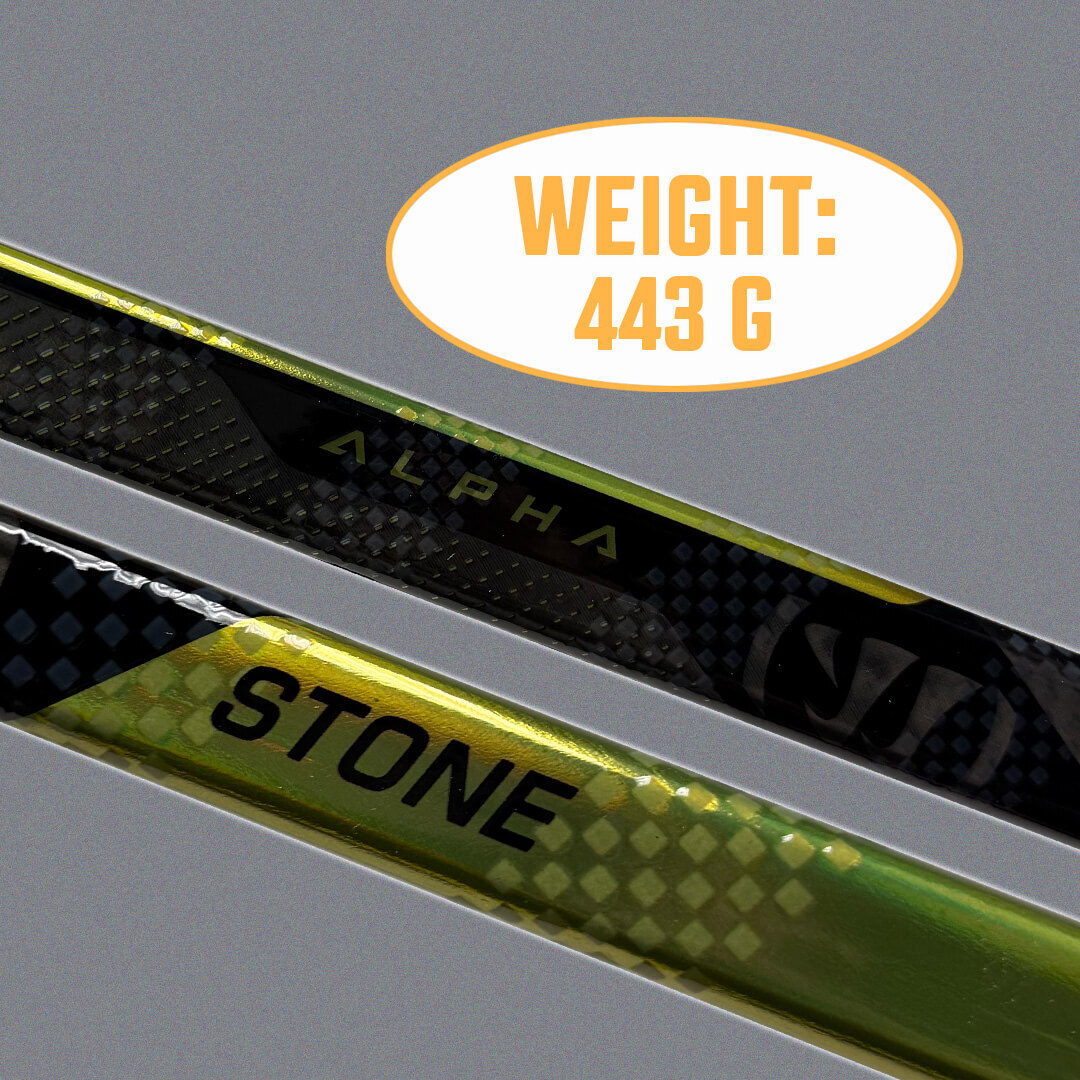
For many of those players, ultra-light sticks can actually start feeling unstable or overly fragile. That’s one reason a lot of pro players still prefer heavier builds with more reinforcement and a stronger overall feel. The stronger the player, the more important structural stability becomes.
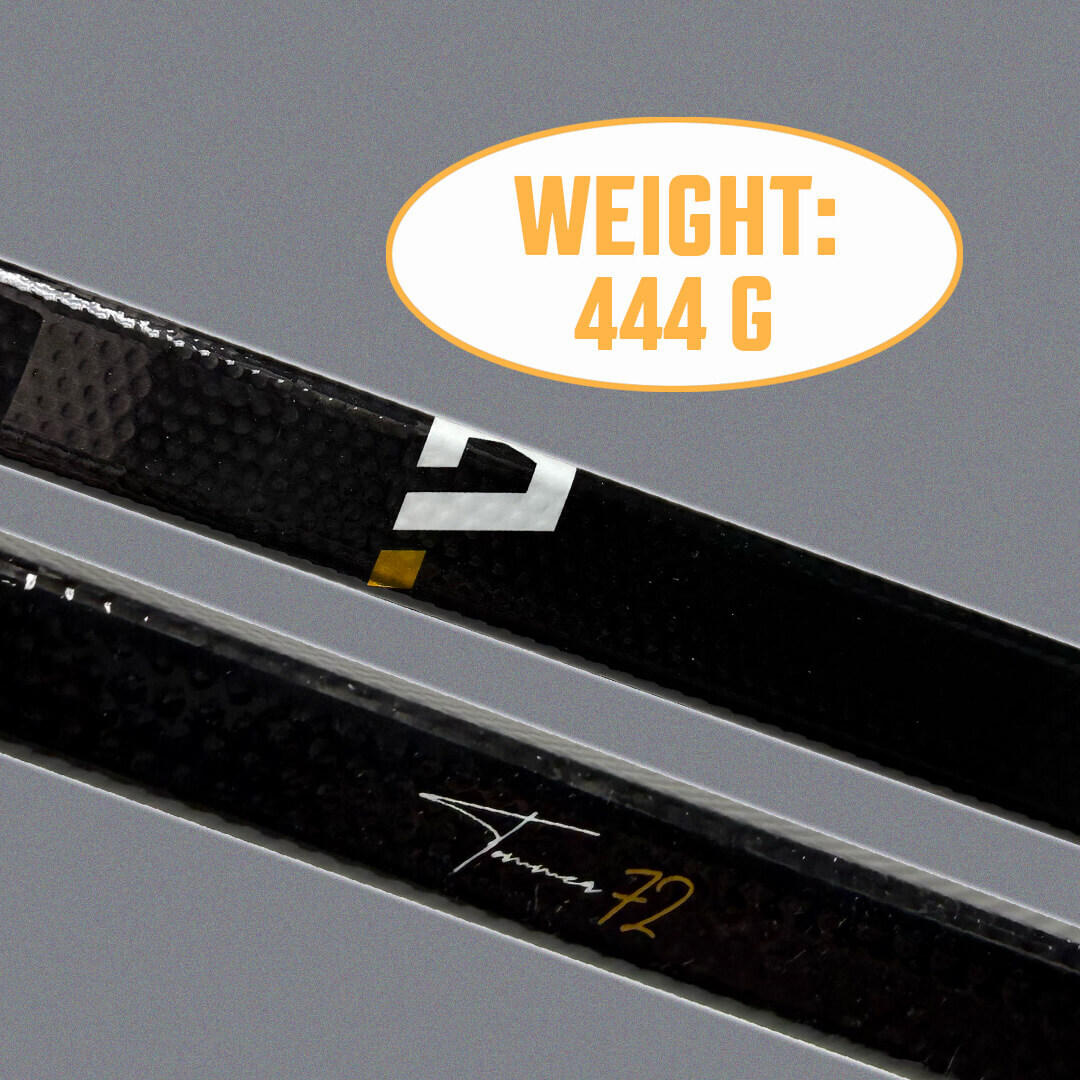
That’s also why you can’t talk about the “perfect” stick weight universally. Different players need different things.
But for a broad range of serious hockey players, 400 grams sits in a really interesting middle ground.
Durability Is Part of Performance
With the cost of hockey sticks continuing to rise, durability matters as well as performance.
Actually, durability is performance.
A stick that feels amazing for three games before the blade softens or the shaft cracks isn’t truly elite performance over time.
To get sticks down into the ultra-lightweight category, manufacturers usually have to make compromises somewhere including:
- thinner walls
- less reinforcement
- lighter blade cores
- more aggressive carbon layering
- reduced material in key stress points
That can absolutely create amazing initial feel and responsiveness. But there’s often a tradeoff. And here’s the thing: the difference between a 360-gram stick and a 400-gram stick is only about 40 grams. Roughly 1.4 ounces. That’s not much.
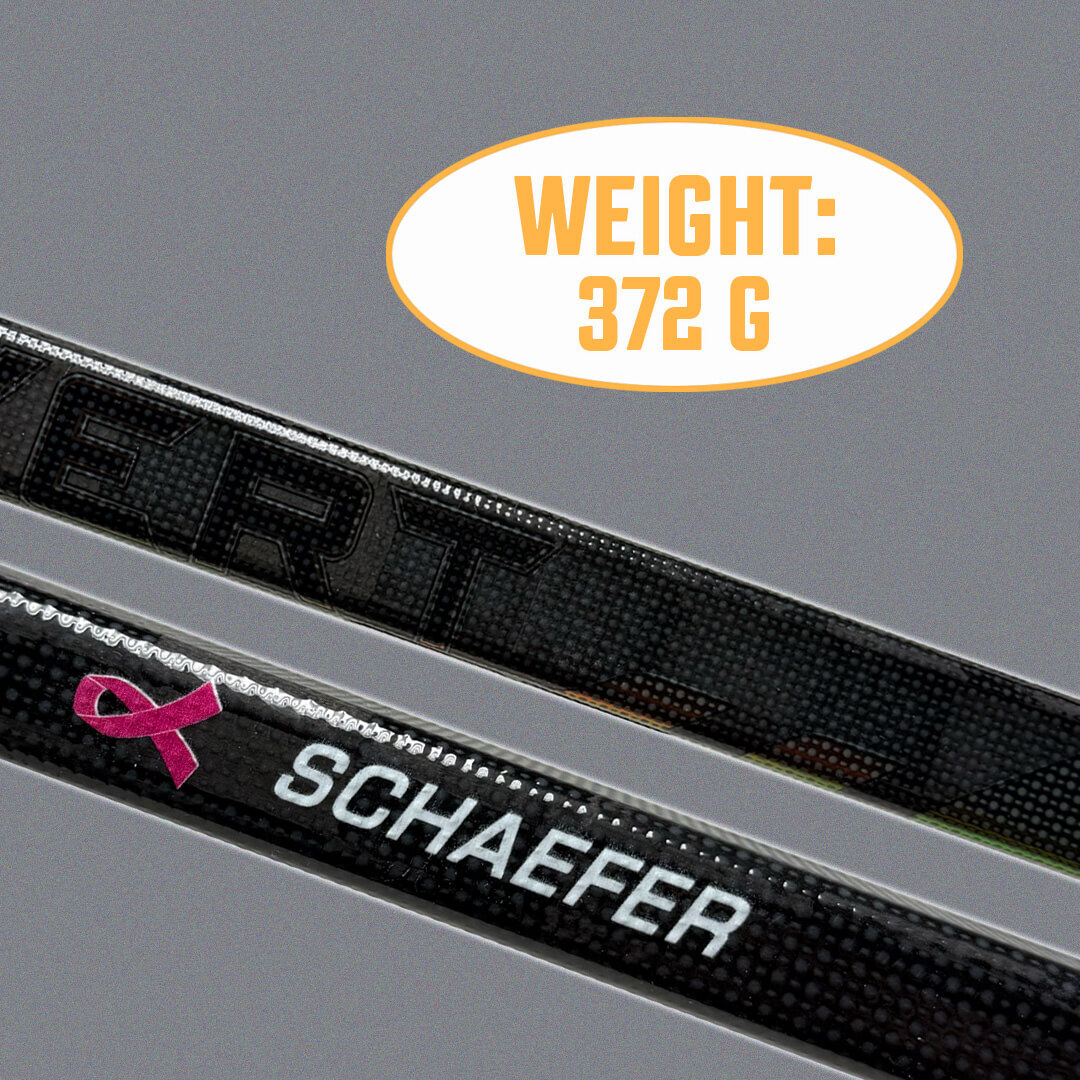
But structurally, that extra material can make a huge difference in:
- blade stability
- durability
- long-term consistency
- torsional stiffness
- impact resistance
- overall balance
Those extra grams aren’t wasted if they improve how the stick performs over time.
The Hockey Industry Has Become Obsessed With Weight
The hockey stick market has almost become a weight competition. Every company wants to claim they have the lightest stick ever made. But there’s a point where companies start chasing numbers more than actual game performance. The jump from a 500-gram stick to a 400-gram stick was massive and obvious to everybody. The jump from 400 grams to 360 grams? Much smaller than marketing makes it sound.
At that point, other factors become far more important:
- balance point
- shaft geometry
- blade construction
- kick point
- puck feel
- player preference
- shooting style
A properly built 400-gram stick can absolutely outperform a lighter stick if it gives the player better feel, balance, and confidence.
Why 400 Grams Feels Like the Sweet Spot
This is why 400 grams makes so much sense. At 400 grams, a stick is still extremely light by historical standards. It still feels quick, modern, responsive, and high-end.
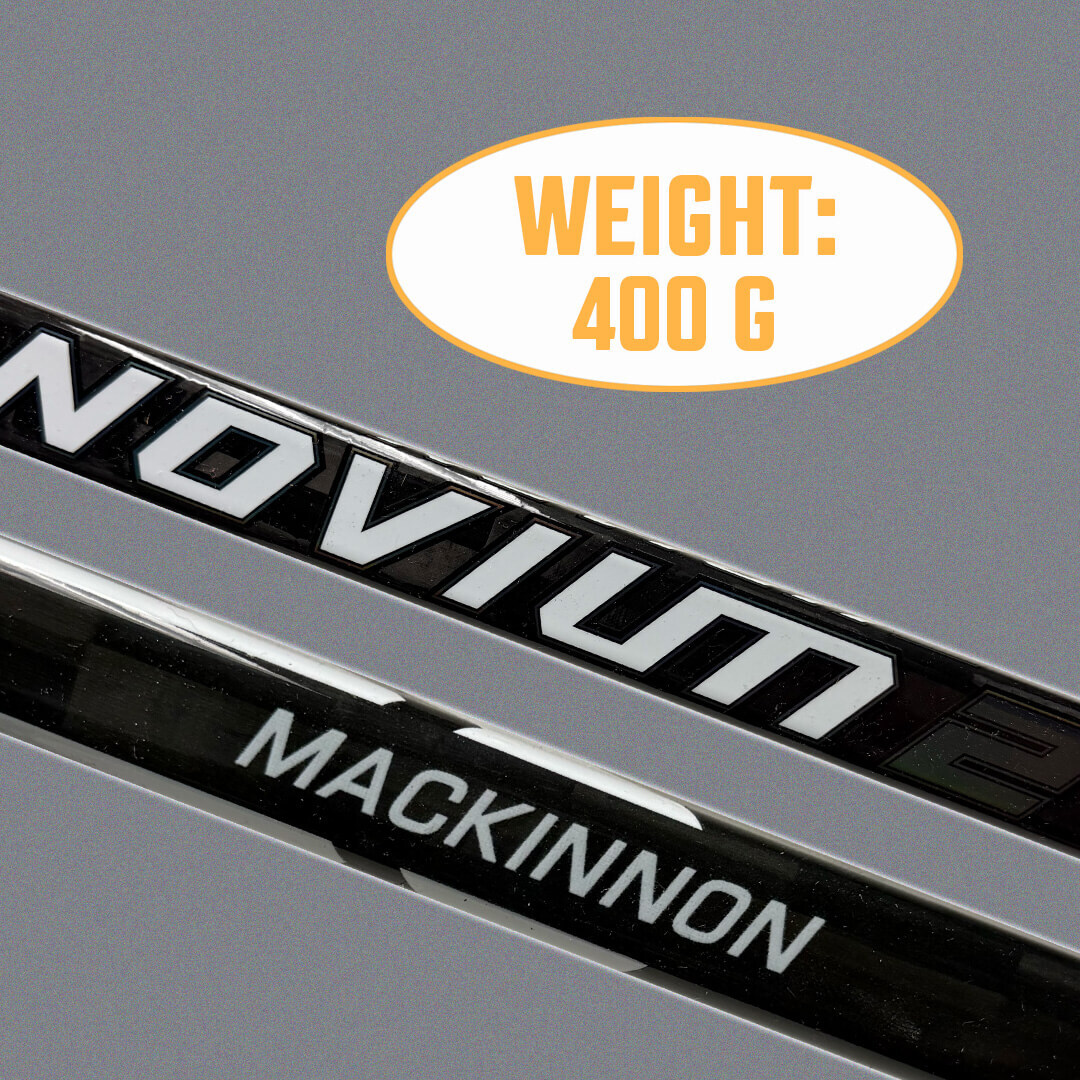
But it also allows manufacturers enough material to build:
- stronger blades
- better balance
- more stability
- better durability
- more consistent feel over time
It’s not heavy. It’s balanced.
And honestly, when you look at what many NHL players are actually using behind the scenes — often well above retail ultra-light weights — it becomes pretty clear that elite performance is about much more than simply making a stick as light as possible.
The future of hockey sticks probably won’t be about who builds the lightest stick. It’ll be about who builds the best-performing stick overall. And for a lot of players, that sweet spot may end up being right around 400 grams.