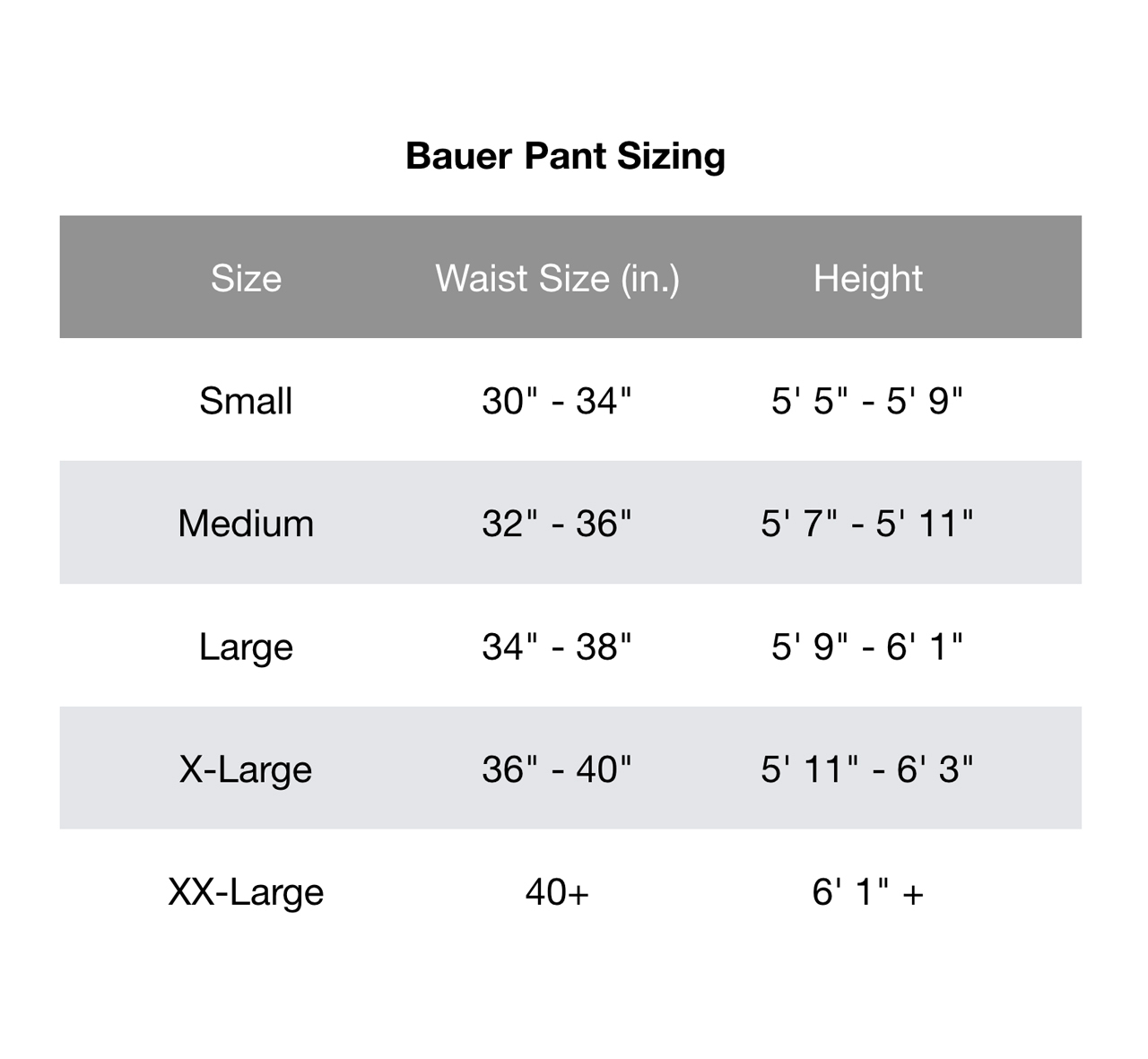
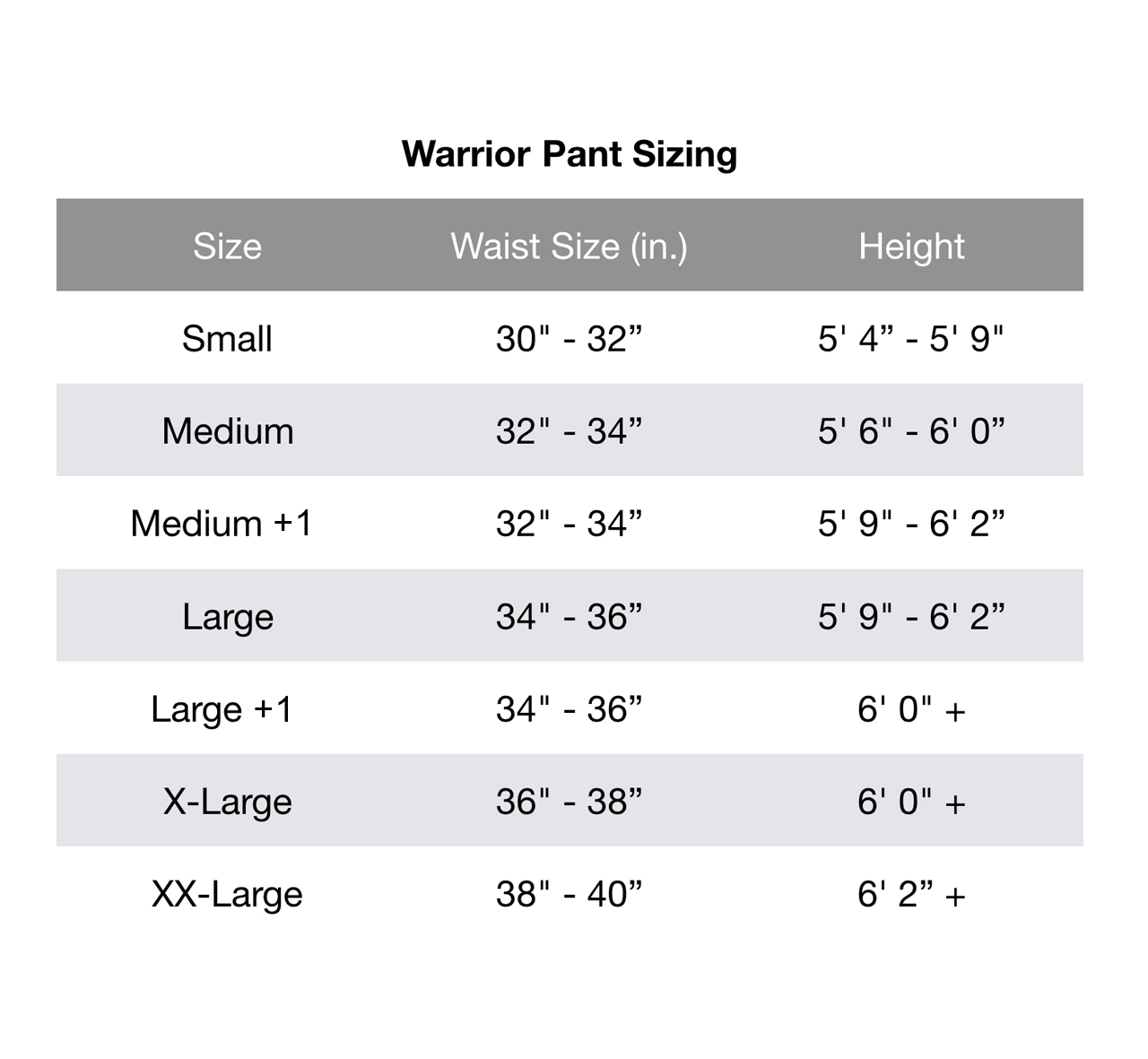
Hockey Stick Measuring Guide & Sizing Charts
Picking a hockey stick can feel overwhelming with sizes, flex numbers, and curves. This guide keeps it simple so you can size with confidence, covering what to check first, how to confirm fit in skates, and what to tweak for your position.
The right stick length and setup improves control, shot accuracy, and posture, which helps prevent overuse injuries. Skip shortcuts like “chin to nose without skates,” and closely follow a hockey stick sizing chart to dial fit for your stance and style; choosing the right hockey stick comes down to how you actually skate, pass, and shoot.
Player Stick Sizing by Age and Height
Sizing a player stick is part science, part feel. Consider this as your no-nonsense hockey stick buying guide; start with a baseline fit, then fine-tune for position, flex, and curve.
Your baseline fit (fast checks)
- Put skates on, set the blade flat; the butt end should sit around chin to nose in your natural stance.
- Cut small amounts at a time; each trim makes the shaft stiffer in practice.
- Confirm on ice: the whole blade should contact the surface when you handle the puck in motion. For step-by-step photos, see our hockey stick measurement guide diving into how to measure hockey stick length and details you can repeat anytime.
Age/height categories (hockey stick length guide)
- Youth: Prioritize control and confidence first. Shorter, lighter builds do better with moderate length and flexible shafts. See youth vs. junior hockey sticks for the sizing jump and how categories overlap, covering youth hockey stick sizing by stage.
- Junior & Intermediate: Players grow quickly here; re-check the length every few months. Cutting even an inch can change balance and release timing.
- Senior: Senior hockey stick sizes span many lengths and flexes; start with a comfortable stance, then adjust for shot type and position.
Position-specific guidance (why length changes by role)
- Forwards: Tend to prefer quick hands and fast releases. A slightly shorter shaft improves maneuverability in traffic—typical hockey stick size for forwards. As for the best hockey stick size for beginners, new skaters often succeed with compact setups.
- Defensemen: The classic hockey stick size for defensemen provides extra reach to help with poke checks, keeping pucks in at the blue line, and one-timers from the point. For the best hockey stick for slap shots, pair length with a stiffer build.
- Goalies: A totally different system; see “Goalie Paddle Length Sizing” below to learn about the ice hockey stick size for goalies.
Features that influence fit and hockey stick performance
- Flex: A practical starting point is around half your body weight in pounds; go up for big wind-ups or heavy shooters, down for quicker loads and snapshots. Learn the nuances in our hockey stick flex guide, and use tools like Bauer’s flex calculator to fully understand hockey stick flex rating.
- Grip and diameter: Gloves and hand size determine comfort; test tacky coatings vs. matte to find the hockey stick with best grip and the right hockey stick grip size for long shifts without forearm fatigue.
- Mass and balance: Hockey stick weight affects fatigue and shot feel. Many skaters love lightweight hockey sticks for faster releases, while others like a touch more mass for stability on receives and in board battles.
- Blade patterns: Different hockey stick curve types shape your release and puck control. Heel curves can aid booming slaps and long passes; mid and toe patterns often help quick shots in the slot.
- Materials: Modern composite sticks deliver high energy return at lower weight; they reward smooth loading and benefit from careful storage and retaping.
Real-world stick fitting tips
Final fit happens on the ice—bring a roll of tape, a spare end cap, and a marker to your next session. Make one change at a time, skate a full drill block, then reassess. If you want a second opinion, ask for an in-store hockey equipment fitting to align length, lie, and flex with your mechanics.
Helpful reads: how to pick the perfect hockey stick, hockey stick handedness, and browse budget-friendly clearance hockey sticks that fit your game.
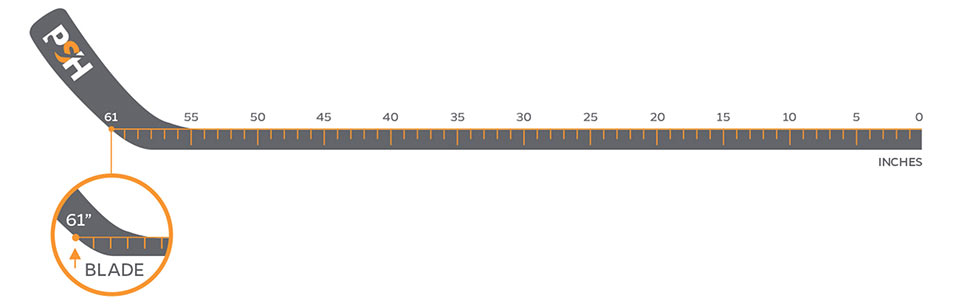
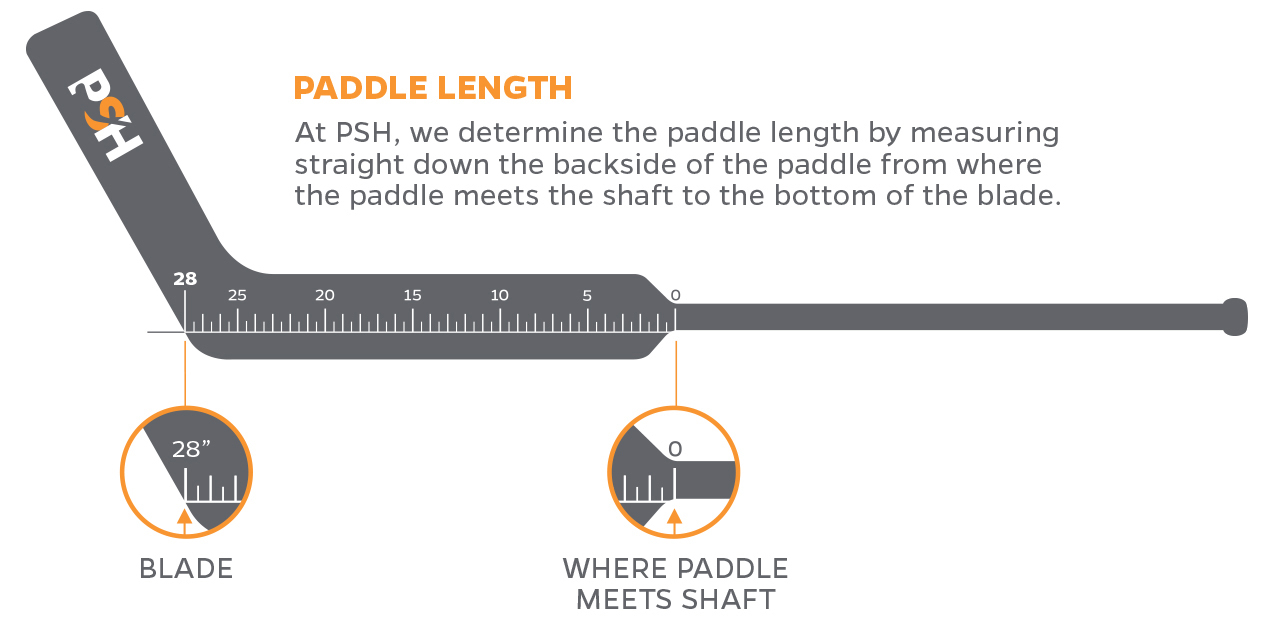
Goalie Paddle Length Sizing
Paddle height sets your blocker position, five-hole coverage, and how naturally your blade lies in stance. Most fitters measure from the heel’s ice-contact point to the start of the handle; that spec governs goalie stick paddle length across brands.
Fast way to trial sizes
- Dress with pads and skates, then set your ready stance.
- The blocker should sit square without hiking your elbow.
- The blade should lie flat; if the heel floats, try shorter, and if the toe floats, try longer.
- Typical adult ranges run ~23″–27″; smaller goalies often land in the low-20s, taller goalies in the mid- to high-20s. Use this to choose a first paddle, then test it out in crease movement.
Browse goalie sticks for multiple paddle options across weights, constructions, and curves.
Understanding Lie Angles
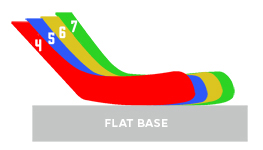
Lie is the angle between the shaft and the blade when the blade sits flat on the ice. A correct lie keeps your wrists relaxed and the whole blade engaged as you handle the puck; taller or more upright skaters may prefer higher lies, while deep-knee-bend players lean lower. Cutting the shaft effectively raises lie, so re-check after trims; this helps you tune hockey stick lie without any guesswork.
Sizing Other Hockey Gear
Looking for helmets, gloves, or pants sizing? Check the other guides in our sizing hub on the site.
Shop Pro-Quality Sticks for Every Size
Ready to fine-tune your setup? Explore curated pro builds with balanced kick points, premium layups, and patterns that match your release. Whether you want fast-loading snappers or classic boomers, you’ll find elite gear alongside value picks in our rotating inventory.
Shop All Hockey Sticks → see player sticks and goalie sticks.